You Won’t Believe What Quebec’s Wild Side Just Revealed
Have you ever stood where the forest whispers and the rivers carve paths older than time? I didn’t think Quebec could hit this deep—until I wandered beyond the cobblestone streets and found raw, untamed nature waiting. From misty waterfalls to silent boreal woods, every turn felt like uncovering a secret. This isn’t just travel; it’s a soul reset. Let me take you where the map ends and the real adventure begins.
Stepping Off the Beaten Path: Quebec Beyond the City Lights
Most travelers arrive in Quebec with visions of historic fortresses, French-inspired cafés, and candlelit dinners in Old Quebec. These experiences are undeniably charming, but they only tell half the story. Beyond the postcard-perfect alleys lies a province shaped by glaciers, rivers, and ancient rock formations—a wilder, quieter side that pulses with natural energy. When you trade pavement for pine needles, something shifts. The air changes. The pace slows. And suddenly, you’re not just visiting a place—you’re feeling it.
This shift from urban charm to wilderness immersion is more than a change of scenery—it’s a transformation of experience. While city life offers culture and convenience, the natural world offers clarity and connection. Quebec’s vast landscapes, which cover over 90% of its territory, remain underexplored by many who flock to its cities. Yet those who venture further discover a different kind of heritage: one written in mountain ridges, carved by rivers, and echoed in the calls of loons across still lakes.
The transition from city to wild is surprisingly seamless. Within an hour’s drive from Montreal or Quebec City, highways give way to winding forest roads. Towering spruce and birch forests close in, and the hum of traffic fades into birdsong. Small towns with names like Val-David or Murdochville serve as gateways, offering supplies, local advice, and a final glimpse of civilization before the trees take over. These towns are not destinations themselves, but quiet sentinels marking the edge of the wild.
Why does this matter? Because travel at its best isn’t just about seeing new places—it’s about feeling different within them. The wilderness of Quebec doesn’t dazzle with lights or luxury. Instead, it invites presence. It asks you to listen—to the wind in the canopy, to the distant crash of a waterfall, to your own breath as you climb a ridge. In a world that rarely allows stillness, Quebec’s wild spaces offer a rare gift: the chance to be truly quiet, and truly awake.
Laurentians: Where Mountains Meet Serenity
Stretching north of Montreal like a green spine, the Laurentian Mountains form one of Quebec’s most accessible and enduring natural escapes. This range, shaped by tectonic forces over a billion years ago, offers a landscape of rolling peaks, crystalline lakes, and dense forests that shift with the seasons. Unlike the jagged heights of the Rockies, the Laurentians rise with gentle authority—inviting rather than intimidating. Their rounded summits and wide valleys make them ideal for hikers, cyclists, and nature lovers of all levels.
In summer, the region blooms with activity. Forest trails wind through stands of maple, pine, and trembling aspen, their leaves filtering sunlight into dappled patterns on the forest floor. Hikers can choose from gentle woodland paths to more challenging ascents that reward with panoramic views. At higher elevations, alpine meadows burst with wildflowers—purple asters, goldenrod, and delicate orchids that thrive in the cool mountain air. The contrast between shaded valleys and sunlit ridges creates a mosaic of microclimates, each supporting different plant and animal life.
Winter transforms the Laurentians into a snow-blanketed sanctuary. While some come for the well-known ski areas, the true magic lies in the quiet corners—frozen lakes perfect for ice fishing, snowshoe trails that lead deep into silent woods, and cross-country routes that follow frozen rivers. The cold air is sharp and clean, and the snow absorbs sound, making every footstep feel hushed, reverent. Even without skiing, the winter landscape offers a kind of clarity—trees etched in frost, sunlight glinting off ice, and the occasional track of a fox or hare breaking the white expanse.
What sets the Laurentians apart is their balance of accessibility and authenticity. You don’t need specialized gear or weeks of planning to experience their beauty. A day hike, a weekend cabin stay, or even a scenic drive along Route 117 can deliver moments of awe. Yet despite their proximity to major cities, these mountains retain a sense of solitude. On a weekday morning in late fall, you might have an entire trail to yourself, the only company a red squirrel chattering from a pine branch or a woodpecker tapping in the distance.
Gaspé Peninsula: Coastal Majesty Unfolds
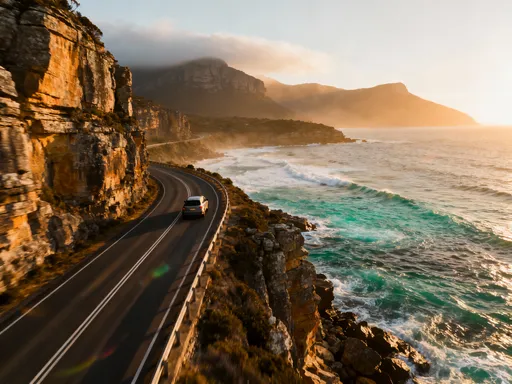
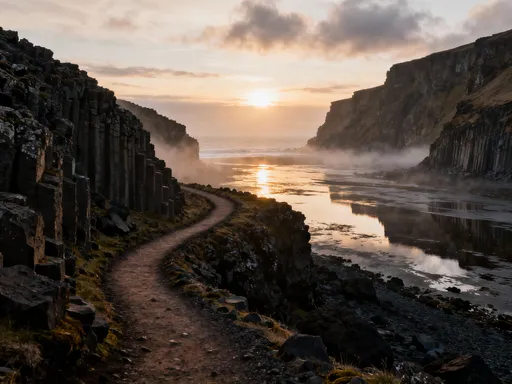
If the Laurentians whisper, the Gaspé Peninsula roars. Jutting into the Gulf of St. Lawrence like a defiant fist, this rugged stretch of land is where the Appalachian Mountains meet the sea. The result is a coastline of staggering beauty—cliffs that plunge hundreds of feet into churning waves, windswept headlands, and hidden coves accessible only by foot. This is not a gentle shore. It is dramatic, powerful, and deeply alive.
At the heart of the peninsula lies Forillon National Park, a protected expanse that captures the essence of Gaspé’s wild spirit. Here, trails climb along cliff edges, offering views that stretch to the horizon. On clear days, you can see the curvature of the earth. The park’s terrain is shaped by relentless winds and salt spray, creating twisted, stunted trees that cling to rocky outcrops like survivors of a storm. Yet life thrives. Seabirds nest in crevices, peregrine falcons patrol the skies, and in the waters below, seals and porpoises ride the swells.
Hiking in Forillon is an exercise in contrast. One moment you’re walking through a sun-drenched meadow buzzing with bees, the next you’re navigating a fog-draped ridge where visibility drops to a few feet. The weather shifts without warning, a reminder of the peninsula’s exposed position. But this unpredictability is part of its appeal. It keeps you present, alert, attuned to the rhythms of nature.
Seasons shape the Gaspé experience in profound ways. In spring, snowmelt feeds countless waterfalls that cascade down mossy rock faces. By summer, wildflowers blanket the coastal slopes, and the smell of salt and damp earth fills the air. Autumn brings one of eastern Canada’s most spectacular displays of foliage, as maples and birches ignite in reds, oranges, and golds. Even in winter, when snow and ice claim the trails, the peninsula retains a stark beauty—waves crash against frozen cliffs, and the silence is broken only by the wind.
What makes Gaspé so special is its sense of isolation. Despite its grandeur, it remains lightly visited compared to other national parks. You can walk for hours without seeing another soul. That solitude allows for a kind of introspection that’s rare in modern travel. Standing on a cliff at sunset, watching the light fade over the gulf, you don’t just see beauty—you feel it in your bones.
The Magic of Jacques-Cartier River Valley
Just a short drive from Quebec City, the Jacques-Cartier River Valley unfolds like a scene from another world. Carved by glaciers over 10,000 years ago, this deep U-shaped valley is flanked by steep forested slopes and threaded by a river that twists like a silver ribbon. The valley floor, covered in dense boreal forest, feels ancient and hushed, as if time moves more slowly here. This is not a place of grand gestures, but of quiet wonder.
The river itself is the heartbeat of the valley. Fed by snowmelt and mountain springs, it rushes with energy in spring and settles into calm pools by late summer. Kayakers glide silently through its bends, while hikers follow trails that run parallel to its course. Suspension bridges span narrow points, offering views straight down into the churning water below. The sound is constant—a soothing roar that drowns out thought and invites presence.
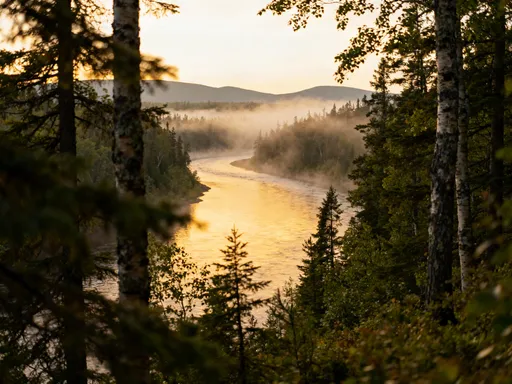
Walking through the valley, you become aware of the layers of life around you. Moss blankets every rock and fallen log, softening the landscape. Ferns unfurl in shaded clearings, and the air carries the sharp scent of pine and damp earth. In the early morning, fog clings to the treetops, creating an ethereal glow as sunlight filters through. It’s easy to imagine this place unchanged for centuries, a sanctuary untouched by time.
The glacial history of the valley is visible in its shape and structure. The wide, flat floor and steep, symmetrical sides are classic signs of ice erosion. Erratic boulders—left behind by retreating glaciers—sit like silent sentinels in the forest. These geological clues remind visitors that this landscape was not shaped by human hands, but by forces far older and more powerful.
Low-impact activities dominate here, preserving the valley’s tranquility. Mountain biking is limited to designated paths, and motorized vehicles are restricted. The focus is on immersion, not conquest. A forest walk, a quiet picnic by the river, or a moment of stillness on a rocky outcrop—these are the experiences that stay with you. In a world that often measures adventure by adrenaline, Jacques-Cartier offers a different kind of thrill: the quiet joy of simply being.
Abitibi-Témiscamingue: Discovering Northern Quiet
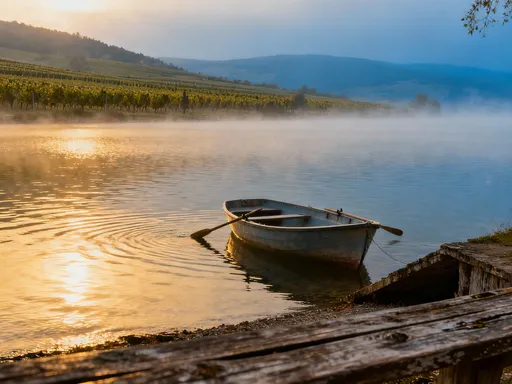
Few regions in southern Quebec feel as remote as Abitibi-Témiscamingue. Located near the Ontario border, this vast territory is a patchwork of boreal forest, wetlands, and thousands of lakes—many so small they don’t appear on maps. It’s a landscape shaped by solitude, where the only sounds are the rustle of leaves, the call of a loon, and the occasional splash of a beaver. For travelers seeking true disconnection, this is a sanctuary.
Canoeing is one of the best ways to experience the region. A network of interconnected lakes and rivers allows paddlers to glide from one body of water to another, following routes used by Indigenous peoples and early fur traders. Each lake has its own character—some are wide and wind-swept, others small and sheltered, ringed by spruce and larch. Portages are short and well-marked, making multi-day trips accessible even to beginners.
The peace of the water is matched by the clarity of the night sky. With minimal light pollution, Abitibi-Témiscamingue offers some of the best stargazing in eastern Canada. On a clear night, the Milky Way stretches across the heavens in a brilliant arc. The Northern Lights, though not guaranteed, occasionally dance above the treetops in winter, painting the snow in ghostly green hues. For city dwellers accustomed to constant light, this darkness is not empty—it’s full of wonder.
This region is not about sightseeing in the traditional sense. There are no famous landmarks or photo-worthy overlooks. Instead, it offers something rarer: space. Space to think, to breathe, to simply be. Many visitors come here to unplug—not just from devices, but from the noise of daily life. A weekend spent in a lakeside cabin, reading by the fire or watching the water ripple in the breeze, can feel like a reset for the soul.
Local communities, though small, are deeply connected to the land. They offer warm hospitality, fresh local food, and quiet pride in their region’s natural beauty. Staying in a family-run lodge or eating at a small-town café adds a human dimension to the wilderness experience, reminding travelers that people have lived in harmony with this land for generations.
Seasonal Rhythms: When Nature Performs at Its Best
One of Quebec’s greatest gifts is its four distinct seasons, each transforming the landscape in dramatic and beautiful ways. Unlike places with mild, unchanging climates, Quebec’s nature is dynamic, always shifting, always surprising. For travelers, understanding these rhythms is key to planning a meaningful experience.
Spring arrives with a rush. As snow melts in the highlands, rivers swell and waterfalls roar with renewed power. Trails that were buried under ice become accessible, and the forest floor greens rapidly. This is a season of movement and sound—the drip of melting snow, the gurgle of streams, the first songs of returning birds. It’s also a short season, making spring visits feel urgent and special.
Summer brings lushness and warmth. Forests are at their fullest, and lakes warm enough for swimming. This is the peak season for hiking, paddling, and camping. Long daylight hours allow for extended adventures, and the nights, though mild, still carry a crispness that reminds you you’re in the north. Insects can be present, but they are a small price for the abundance of life that thrives in the warmth.
Fall is often considered Quebec’s most magical season. As temperatures cool, the forests ignite in color. Maples blaze red, birches turn gold, and oaks take on deep russet tones. The effect is most dramatic in elevated areas like the Laurentians or the Gaspé highlands, where entire mountainsides seem to burn with autumn fire. This is a favorite time for photographers and leaf-peepers, but it’s also a quiet season—crowds thin, and the air grows still.
Winter, far from being a barrier to travel, opens new possibilities. Snow transforms trails into serene pathways for snowshoeing and cross-country skiing. Frozen lakes become highways for ice fishing and skating. The world is quieter, slower, and somehow more intimate. For those willing to brave the cold, winter offers some of the most peaceful and beautiful moments in nature.
Traveling Right: Respecting Nature While Exploring It
With great beauty comes great responsibility. Quebec’s wild spaces remain pristine not by accident, but because of careful stewardship and mindful visitation. As more travelers seek nature-based experiences, the need for responsible tourism grows more urgent. The choices we make—where we go, how we behave, what we leave behind—shape the future of these landscapes.
One of the simplest and most powerful rules is to stay on marked trails. This protects fragile vegetation, prevents soil erosion, and minimizes disturbance to wildlife. It may be tempting to take a shortcut or venture off-path for a better photo, but the cumulative impact of such choices can degrade entire ecosystems over time. Trails are designed to balance access with preservation, and following them is a small act of respect.
Equally important is the principle of leaving no trace. This means packing out all waste, including food scraps and biodegradable items. Even organic litter can disrupt natural processes or attract animals to human areas. Using reusable containers, minimizing single-use plastics, and carrying a small trash bag are easy habits that make a big difference.
Wildlife should be observed from a distance. Feeding animals, whether intentionally or through careless food storage, can harm their health and alter natural behaviors. It’s also essential to avoid loud noises, sudden movements, or attempts to get close for photos. Animals are not performers; they are residents. Our presence should be as unobtrusive as possible.
Supporting local, eco-conscious operators is another way to travel responsibly. Choosing guides who follow sustainable practices, staying in accommodations that prioritize environmental care, and buying from local artisans all contribute to a tourism model that benefits both people and nature. When travelers invest in responsible options, they help ensure that these wild places remain protected for generations to come.
Finally, remember that preservation is not just the job of park rangers or governments—it belongs to every visitor. Each person who walks these trails, paddles these lakes, or sleeps under these stars becomes a guardian. And in protecting these places, we also protect something within ourselves: our connection to the natural world, and our sense of wonder.
Quebec is often celebrated for its culture, its history, its language. And rightly so. But beneath the charm of its cities lies a deeper truth: this province is one of North America’s most underrated natural wonders. Its mountains, forests, rivers, and coasts offer not just scenery, but sanctuary. They invite us to slow down, to listen, to remember what it feels like to be small in a vast and beautiful world.
To travel here is not just to see new places—it is to rediscover old parts of yourself. The woman who hikes a quiet trail at dawn, the mother who watches her child spot a deer in the mist, the retiree who sits by a lake and remembers how to be still—these are the quiet transformations that nature makes possible.
So consider this an invitation. Trade the crowds for the quiet of a pine forest. Swap your schedule for the rhythm of the tides. Let go of the need to capture every moment and instead, let the moment capture you. Because sometimes, the best journeys aren’t to places—but into stillness.