Hidden Magic at Lake Balaton: My Secret Hungarian Escape
Nestled in the heart of Hungary, Lake Balaton isn’t just the largest lake in Central Europe—it’s a hidden paradise waiting to be explored. I stumbled upon its quiet coves, sun-kissed vineyards, and charming villages with no crowds and all charm. This is more than a getaway; it’s a sensory journey through nature, culture, and authentic moments most travelers miss. From the tranquil hills of the north to the golden beaches of the south, Balaton offers a rare balance of serenity and vibrancy. Let me show you the side of Balaton only locals know—a place where time slows, flavors deepen, and every turn reveals a new delight.
Discovering Lake Balaton: More Than Just a Destination
Lake Balaton stretches over 77 kilometers in length and reaches up to 14 kilometers in width, making it the largest freshwater lake in Central Europe. Located in western Hungary, it lies within easy reach of Budapest, less than two hours by car or train, yet feels a world apart. While many European lakes are tucked into mountainous regions or remote forests, Balaton is uniquely embedded in a landscape of gentle hills, fertile farmland, and centuries-old settlements. Its waters shimmer under the continental sun, reflecting a sky that shifts from soft morning pinks to deep evening purples. Despite its size and accessibility, Balaton remains under the radar for many international travelers, overshadowed by more famous European destinations. This quiet obscurity, however, is part of its charm.
The lake has long served as a retreat for Hungarian families, a place where generations gather each summer. It is not a destination built solely for tourism, but one shaped by local life—where fishermen still cast their nets at dawn, children learn to swim in shallow bays, and elders sip wine on shaded terraces overlooking the water. The region surrounding Balaton blends natural beauty with cultural heritage, from ancient volcanic formations to Baroque churches and 19th-century spa towns. Unlike overcrowded coastal resorts elsewhere in Europe, Balaton offers space, openness, and a sense of authenticity that is increasingly rare.
What makes Balaton truly special is its duality. It is both a place of activity and stillness, of tradition and quiet modernization. The northern shore rises into forested hills and volcanic ridges, while the southern side unfolds into wide, sandy beaches and open plains. One side invites contemplation and hiking; the other welcomes swimming, cycling, and lakeside dining. This contrast allows every traveler to find their own rhythm. Whether seeking solitude or family-friendly fun, adventure or relaxation, Balaton accommodates without compromise. It is not merely a destination to visit, but a landscape to experience—one that rewards those who look beyond the surface.
The Allure of the North Shore: Quiet Villages and Rolling Hills
The northern shore of Lake Balaton is a world apart from the more developed southern coast. Here, the terrain is rugged and elevated, shaped by ancient volcanic activity that left behind dramatic hills, fertile slopes, and rich mineral soils. This side of the lake is quieter, less commercialized, and deeply rooted in tradition. Villages like Tihany, perched on a peninsula jutting into the lake, offer a glimpse into a slower, more reflective way of life. The historic Tihany Abbey, founded in 1055, stands as one of Hungary’s oldest surviving religious buildings, its Romanesque architecture and serene cloisters drawing visitors seeking both history and peace.
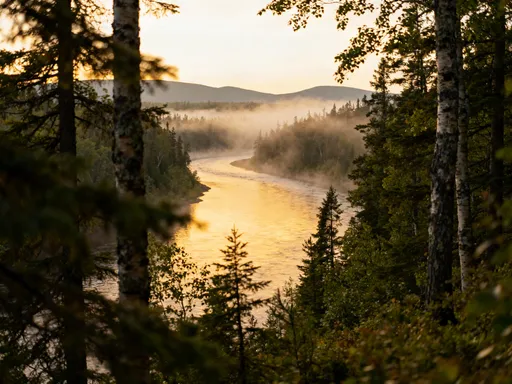
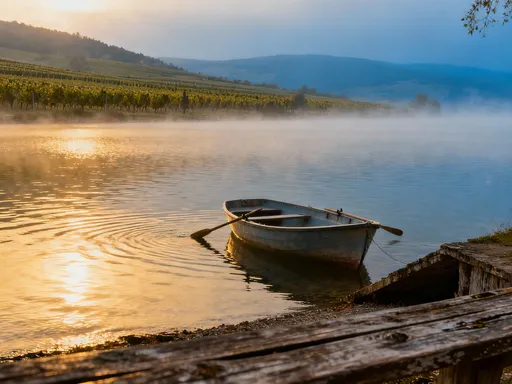
Walking through Tihany in the early morning, when mist still clings to the lake’s surface, feels like stepping into a painting. Lavender fields bloom along the pathways in summer, filling the air with a delicate fragrance. Local artisans sell handmade soaps, honey, and embroidered textiles in small shops tucked between stone houses. A hike up to the peninsula’s viewpoint rewards visitors with one of the most iconic panoramas in Hungary—the deep blue expanse of the lake framed by rolling green hills. It is a moment of stillness, a pause in time that lingers long after the journey ends.
Further west, the village of Badacsony sits at the foot of a dormant volcano, its slopes covered in meticulously tended vineyards. The volcanic soil here produces some of the region’s most prized white wines, particularly Olaszliszka and Badacsonyi. Family-run wineries open their cellars to visitors, offering tastings paired with local cheeses, smoked fish, and fresh bread. The atmosphere is warm and unhurried, the kind of place where a conversation with a winemaker can stretch into an afternoon. Hiking trails wind through the hills, connecting vineyards, lookout points, and hidden chapels. One popular route leads to the summit of Badacsony Hill, where a stone cross marks the top and the view stretches across the entire lake.
For travelers seeking tranquility, the north shore offers an escape from the pace of modern life. There are no large resorts or neon-lit promenades—only quiet roads, shaded paths, and the gentle lapping of water against the shore. Even in peak season, the crowds remain modest, allowing for moments of solitude by the water or in the woods. This is a region best explored on foot or by bicycle, where each turn reveals a new detail: a wildflower growing between stones, a fisherman mending his net, a village church with its doors open to the breeze. The north shore is not about spectacle; it is about presence.
South Shore Vibes: Sun, Sand, and Lively Towns
In contrast to the quiet hills of the north, the southern shore of Lake Balaton embraces a more vibrant energy. Here, wide sandy beaches stretch along the shoreline, backed by promenades lined with cafes, ice cream stands, and rental shops. Towns like Siófok and Balatonfüred have long been popular summer destinations for Hungarian families, offering safe swimming areas, playgrounds, and a lively atmosphere that hums with activity. Siófok, often called the “party capital” of the lake, comes alive in summer with open-air concerts, food festivals, and lakeside bars that stay open late. Yet even here, the mood remains family-oriented and accessible, never overwhelming or exclusive.
Balatonfüred, further east, strikes a more balanced tone between relaxation and recreation. Known for its spa traditions dating back to the 19th century, the town features thermal baths and wellness centers that draw visitors seeking both fun and rejuvenation. Its lakeside promenade, the “Coral Strand,” is perfect for evening strolls, lined with benches, fountains, and blooming flower beds. Cycling is immensely popular along the south shore, with dedicated bike paths running for dozens of kilometers, connecting towns and beaches. Renting a bicycle is easy and affordable, making it a favorite activity for families and couples alike.
The southern shore also offers a wide range of water sports, from paddleboarding and kayaking to windsurfing and sailing. Calm morning waters give way to gentle afternoon breezes, ideal for beginners and experienced enthusiasts. Many resorts provide equipment rentals and lessons, ensuring that even first-time visitors can enjoy the lake from a new perspective. In the evenings, lakeside restaurants serve grilled fish caught fresh from the water, accompanied by crisp local wines and seasonal vegetables. The atmosphere is cheerful and inclusive, a celebration of summer and togetherness.
What sets the south apart is its ability to offer fun without sacrificing authenticity. Unlike mass-market beach resorts in other parts of Europe, the towns here retain their local character. Shops are often family-owned, menus feature regional specialties, and festivals highlight Hungarian music and dance. Even during peak season, the pace remains relaxed, never frantic. Children play freely in the sand, elders sit under umbrellas reading books, and couples share quiet moments by the water. The south shore proves that joy and simplicity can coexist, that a lively destination can still feel grounded and welcoming.
Hidden Gems Only Locals Know
Beyond the well-known towns and tourist paths, Lake Balaton holds countless hidden corners known only to those who live nearby. These are the places where the true spirit of the lake reveals itself—not in brochures or guidebooks, but in quiet moments discovered by chance. One such spot is a secluded cove near the village of Lidostrand, accessible only by a narrow footpath through the trees. Early one morning, I followed the trail and found myself alone on a small pebble beach, the water clear and cool. Swimming at sunrise, with only the sound of birds and lapping waves, felt like a private ritual, a gift from the lake itself.
Another secret lies in the hillside hamlets between Balatonalmádi and Tagore Promenade, where family-run wineries operate without signs or websites. I was invited to one by a local who noticed my interest in wine. The tasting took place in a stone cellar lit by candles, the owner pouring samples from unlabeled bottles. Each sip told a story—of volcanic soil, of careful harvesting, of generations tending the same vines. There was no sales pitch, only hospitality. Meals in the countryside often follow this pattern: unassuming homes opening their doors to visitors, serving dishes made from garden vegetables, homemade noodles, and lake fish grilled over open flames.
Forest trails behind the northern hills offer another layer of discovery. One path, beginning near the village of Szigliget, leads through a canopy of oak and beech trees to a hidden chapel dedicated to Saint Stephen. The building is small and weathered, its walls covered in ivy, yet it remains a place of quiet reverence. Nearby, a spring flows from the rocks, said to have healing properties, and locals still come to fill glass bottles with its water. These moments—unplanned, unadvertised, uncommercialized—are what make Balaton unforgettable.
For the curious traveler, the best way to uncover these gems is simply to wander. Turn down a side road, follow a footpath, strike up a conversation with a local. Ask where people go to swim, to eat, to celebrate. Often, the answer leads not to a famous landmark, but to a quiet bay, a village bakery, or a family garden. These experiences cannot be scheduled or guaranteed, but they are all the more precious for their spontaneity. They remind us that travel is not just about seeing places, but about feeling them—about becoming part of a moment, however brief, in someone else’s world.
Tasting Balaton: Food, Wine, and Seasonal Flavors
The cuisine of Lake Balaton is a reflection of its landscape—fresh, hearty, and deeply seasonal. At the heart of the table is the lake itself, providing an abundance of fish that appear in stews, soups, and grilled dishes. One of the most beloved local specialties is paprikás hal, a rich fish stew made with freshwater perch or catfish, simmered in a creamy sauce flavored with sweet Hungarian paprika, onions, and tomatoes. Served with handmade dumplings called galuska, it is comfort food at its finest—warm, fragrant, and deeply satisfying.
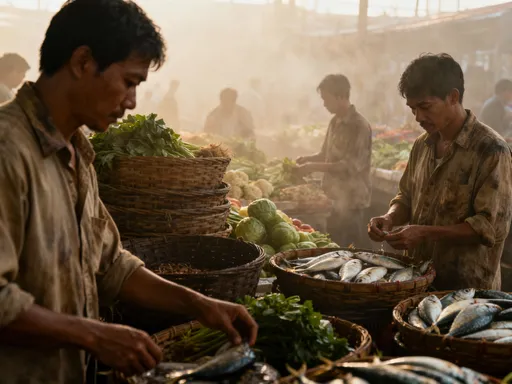
Along the shore, small grills smoke throughout the day, where fishermen and vendors cook fresh catch over open fires. A simple meal of grilled carp or zander, seasoned only with salt and a squeeze of lemon, captures the essence of lakeside living. Markets in towns like Keszthely and Balatonfüred overflow with seasonal produce—plump tomatoes, crisp cucumbers, purple eggplants, and baskets of sour cherries. These ingredients find their way into salads, pickled dishes, and desserts, such as meggyes rétes, a flaky cherry strudel that is a summer favorite.
Wine is equally central to the Balaton experience. The volcanic soils of the northern shore produce crisp, aromatic white wines with notes of green apple, citrus, and mineral. Varieties like Olaszliszka and Badacsonyi are not widely known outside Hungary, but they are treasures for those who seek them. Visiting a vineyard is not just about tasting—it is about understanding the connection between land and flavor. Many winemakers welcome guests with a tour of the vines, explaining how elevation, soil composition, and microclimate shape each vintage. A tasting often includes not just wine, but stories—of harvests past, family traditions, and the rhythms of rural life.
For travelers, engaging with local food is one of the most meaningful ways to connect with the region. Joining a cooking class, visiting a farmers’ market, or dining at a family-run csárda (country inn) offers insights that go beyond taste. These experiences reveal the values of the place—hospitality, seasonality, craftsmanship. They remind us that food is not just sustenance, but a language of care and belonging. In Balaton, every meal feels like an invitation to slow down, to savor, to be present.
Getting Around and Practical Tips for a Smooth Visit
Planning a trip to Lake Balaton is straightforward, with excellent transportation links and a range of accommodation options. The best time to visit is from late May to early September, when the weather is warm and the lake is ideal for swimming. June and September are particularly pleasant, offering mild temperatures and fewer crowds than the peak of July. The region is easily accessible by train from Budapest, with direct connections to major towns like Balatonfüred, Keszthely, and Siófok. Regional buses and ferries connect lakeside communities, making it possible to explore without a car.
For those who prefer flexibility, renting a car or bicycle is highly recommended. The roads around the lake are well-maintained, and scenic routes wind through vineyards, forests, and villages. Many travelers choose to base themselves in one town and make day trips to others, while others prefer to move slowly from place to place, embracing a more nomadic rhythm. Accommodations range from family-run pensions and guesthouses to lakeside apartments and boutique hotels. Staying in a local panzió (pension) often provides a more authentic experience, with personal touches like homemade breakfasts and insider recommendations.
When it comes to practical matters, a few tips can enhance the experience. While many places accept credit cards, it is wise to carry some cash, especially in smaller villages. The local currency is the Hungarian forint, and ATMs are widely available. Hungarian is the official language, but English is commonly spoken in tourist areas. A few basic phrases—such as “köszönöm” (thank you) and “szép napot” (have a nice day)—are appreciated and often met with warm smiles. Tipping is customary, typically 10% in restaurants, and service is generally friendly and unhurried.
To make the most of the region, consider purchasing a regional travel pass, which offers unlimited use of local buses, ferries, and trains for a set period. This not only saves money but encourages exploration. Visitors should also respect local customs, such as keeping noise levels down in residential areas and following designated paths in nature reserves. By traveling thoughtfully, guests contribute to preserving the lake’s beauty and tranquility for future generations.
Why Balaton Deserves a Spot on Your Travel List
Lake Balaton is more than a destination—it is a state of mind. In an age of crowded landmarks and overbooked itineraries, Balaton offers something increasingly rare: space, authenticity, and a deep connection to nature and culture. It does not demand attention with grand monuments or flashy attractions. Instead, it reveals itself slowly, in the warmth of a shared meal, the silence of a morning hike, the golden light on the water at dusk. It is a place where families gather, where traditions endure, and where travelers can rediscover the joy of simplicity.
What makes Balaton truly special is its balance. It offers both activity and stillness, tradition and accessibility, beauty and warmth. Whether you come for the wine, the food, the landscapes, or simply the chance to breathe deeply by the water, you will find more than you expected. It is not a place to rush through, but to linger in—to let the rhythm of lake life settle into your bones.
For women in their 30s to 50s, many of whom juggle family, work, and personal well-being, Balaton offers a rare opportunity to recharge. It is a destination that supports both connection and solitude, that welcomes mothers, sisters, friends, and solo travelers with equal grace. There is no pressure to perform, only space to be. A morning swim, a quiet reading spot under a tree, a long conversation over wine—these are the moments that restore.
So consider this an invitation. Not to a checklist of sights, but to a journey of presence. Let go of the need to see everything, and instead allow yourself to feel one place deeply. Walk a quiet path. Taste a local dish. Smile at a stranger. Let Lake Balaton remind you that travel is not just about where you go, but how you arrive. In its waters, its hills, its villages, you may just find the peace, clarity, and joy you didn’t know you were seeking.