Through the Lens of Bishkek: Where Street Markets Come Alive
You know what? I never expected Bishkek to hit me this hard—especially through my camera lens. It’s not just the snow-capped Ala-Too mountains in the distance or the Soviet-era architecture; it’s the vibrant soul of its shopping streets. From bustling bazaars to tucked-away artisan stalls, every corner tells a story worth capturing. If you're chasing authenticity and color, Bishkek’s markets are pure gold for photographers. More than mere commercial spaces, these markets pulse with daily life, tradition, and human connection. They offer a rare window into Kyrgyzstan’s heart, where commerce, culture, and community converge in a symphony of sound, scent, and sight. For those who carry a camera not just to record, but to understand, Bishkek’s markets deliver unmatched depth and emotion.
The Heartbeat of Bishkek: Osh Bazaar as a Photographic Playground
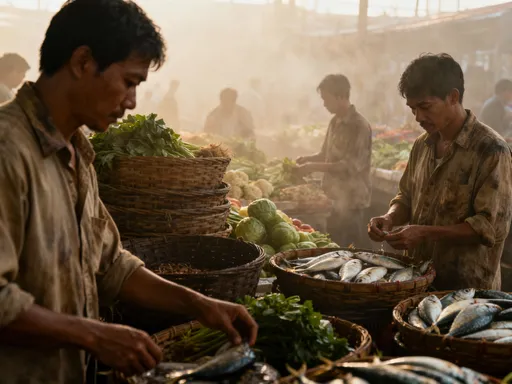
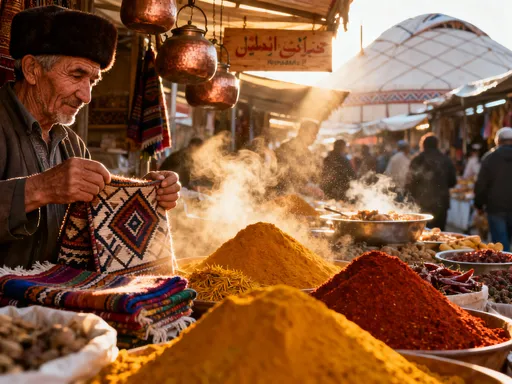
Osh Bazaar stands as the undisputed epicenter of Bishkek’s street market culture, a sprawling labyrinth where centuries-old trading traditions thrive beneath modern skies. More than just a marketplace, it is a living archive of Central Asian life, where the air hums with barter, the scent of cumin and fresh bread weaves through alleyways, and every stall radiates with color and texture. For photographers, this sensory feast translates into endless visual opportunities. Bright pyramids of dried apricots, saffron threads glowing like gold dust, and bolts of handwoven silk draped over wooden counters create natural compositions that require little intervention—only presence and timing.
The key to capturing Osh Bazaar’s essence lies in light and timing. Early morning, just after sunrise, bathes the market in soft, directional light that enhances textures without washing out colors. Vendors arranging their wares against weathered wooden crates cast long shadows, adding depth to wide-angle shots. By midday, harsh overhead sun can flatten images, but it also highlights the vibrant hues of pomegranates, turmeric, and crimson peppers, ideal for close-up macro photography. Late afternoon, as the sun dips behind the surrounding buildings, brings golden hour magic—backlit figures carrying baskets, steam rising from samovars, and faces softened by warm tones become fleeting but powerful subjects.
From a technical standpoint, a camera with good dynamic range and low-light performance is essential. A 35mm or 50mm prime lens allows for intimate, candid shots without intruding on personal space. Shooting in aperture priority mode with an f-stop between f/2.8 and f/5.6 helps maintain sharpness while gently blurring busy backgrounds. For motion—such as a butcher slicing meat or a vendor tossing nuts into a scale—a shutter speed of at least 1/500th of a second freezes action crisply. Yet, slower speeds, like 1/60th, can creatively convey movement when paired with panning techniques.
What makes Osh Bazaar truly exceptional is its role as a cultural crossroads. Traders from across Kyrgyzstan, Uzbekistan, and beyond converge here, exchanging goods and dialects in a fluid dance of regional interdependence. The felted wool hats, intricately patterned *tush kyiz* wall hangings, and hand-stitched leather boots on display are not tourist souvenirs—they are functional heirlooms, still made and worn with pride. Photographing these items in context—on a vendor’s head, draped over a cart, or being bartered—adds narrative weight to the image. In this way, Osh Bazaar transcends photography as documentation; it becomes storytelling through light, gesture, and detail.
Dordoy Bazaar: Chaos with Character
If Osh Bazaar is the soul of Bishkek, Dordoy Bazaar is its relentless engine—a vast, industrial-scale marketplace that sprawls across the northern edge of the city like a city within a city. With thousands of stalls and an estimated 10,000 workers, Dordoy is less a shopping destination and more a logistical marvel, where goods from China, Turkey, and the Middle East are unpacked, sorted, and resold across Central Asia. For photographers, the sheer scale and kinetic energy of Dordoy offer a stark contrast to the organic rhythms of Osh Bazaar. Here, the visuals are raw, unfiltered, and often overwhelming—a photographer’s paradise for capturing urban intensity.
The visual language of Dordoy is defined by repetition, contrast, and motion. Endless rows of identical clothing bundles stacked like bricks, workers heaving sacks of electronics onto carts, and the rhythmic clang of metal shelves being assembled create a sense of relentless industry. The corrugated metal roofs, rusted from years of exposure, cast jagged shadows that shift with the sun, offering dynamic framing opportunities. Under these canopies, light filters in fractured beams, illuminating dust motes and highlighting the textures of denim, plastic, and cardboard. A telephoto lens can isolate these details—a weathered hand gripping a rope, a face streaked with sweat, the gleam of a watch face in a crowded display—turning mundane moments into powerful portraits of labor.
Photographing in Dordoy requires a balance of boldness and discretion. Unlike Osh Bazaar, where vendors often welcome attention, many at Dordoy are focused on business and may not appreciate unsolicited photos. The best approach is to move slowly, observe patterns, and seek permission with a smile and a gesture toward the camera. When granted, the resulting images carry greater authenticity—workers pausing mid-task, families sorting textiles, or children playing between stalls become natural, unposed subjects. It’s also wise to avoid photographing security personnel, cash transactions, or storage areas, as these may be considered sensitive.
Safety and practicality go hand in hand in Dordoy. The market is generally safe for visitors, but its size and complexity can be disorienting. Staying on main pathways, avoiding isolated corners, and keeping valuables secure are essential. For photographers, a cross-body bag with a lockable zipper offers both convenience and security. Dust and weather are constant challenges—lens caps should stay on when not shooting, and a microfiber cloth should be within easy reach. A rain cover for the camera is advisable during unexpected showers, which are common in spring and autumn. Despite these logistical hurdles, Dordoy rewards the patient photographer with images that speak to resilience, enterprise, and the unglamorous backbone of urban commerce.
Craftsmanship on Display: Finding Traditional Artisans in Local Markets
While the grand bazaars dominate Bishkek’s commercial landscape, the city’s quieter markets and side-street stalls offer a more intimate encounter with Kyrgyz craftsmanship. These are the places where tradition is not performed for tourists but preserved through daily practice. In small courtyards and covered alleys, artisans shape shyrdaks—colorful felt rugs made using ancient techniques—hammer silver into delicate jewelry, and carve walnut wood into ornate boxes and utensils. For photographers, these spaces provide rare access to slow, deliberate processes that unfold over hours or days, offering rich opportunities for both documentary and artistic photography.
One of the most compelling aspects of photographing artisans is the invitation to witness creation in real time. A shyrdak maker might spend an entire morning layering wool, pressing it with hot water, and rolling it by hand until the fibers fuse into a dense, patterned mat. These moments—hands stained with natural dyes, eyes focused on symmetry, steam rising from a basin—are fleeting but deeply expressive. A macro lens can capture the fine texture of the felt, the gradient of plant-based colors, and the subtle imperfections that make each piece unique. A wider shot might include the artisan’s workspace—tools arranged with care, unfinished pieces stacked nearby, a kettle simmering in the corner—adding context and atmosphere.
Equally important is the human connection. Many artisans welcome photography, especially when approached with respect and curiosity. A simple “Moi tushunup turamby?” (“Can I take a photo?”) in Kyrgyz, or even a polite gesture, often leads to a warm nod. Some may pause their work to pose, while others continue as if the camera isn’t there—both responses yield valuable images. The key is to remain unobtrusive, to listen more than shoot, and to let the rhythm of the craft guide the pace of photography. When in doubt, putting the camera down and engaging in conversation—even with limited language—can build trust and open doors to more meaningful access.
Ethical photography is paramount in these settings. These artisans are not performers; they are working people sustaining a livelihood. Always ask before photographing, and when possible, support their work by making a purchase. A small investment in a handmade earring or a miniature shyrdak not only honors their skill but also reinforces the idea that photography should be reciprocal. Images taken with permission and respect carry a quiet dignity—each frame becomes a testament to cultural continuity, not just aesthetic appeal.
Golden Hour in the City: Best Spots for Sunset Shots at Market Edges
As the sun begins its descent behind the Ala-Too mountain range, Bishkek transforms. The city’s harsh midday contrasts soften, replaced by a warm, golden glow that wraps around buildings, streets, and market stalls. This magical time—known to photographers as golden hour—offers the most atmospheric conditions for capturing Bishkek’s markets in their most poetic light. While the interiors of bazaars remain dim, the edges where markets meet open plazas or tree-lined avenues become stages for dramatic backlit scenes, silhouettes, and long shadows that add depth and emotion to every frame.
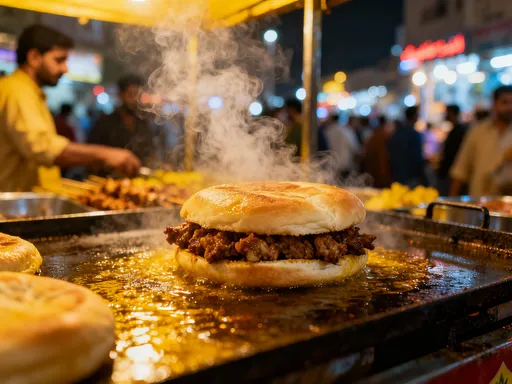
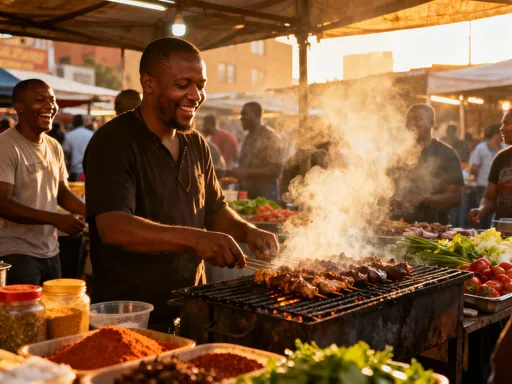
One of the best vantage points is near the western exit of Osh Bazaar, where the market opens onto a broad pedestrian walkway flanked by sycamore trees. As the sun dips below the rooftops, it streams through the branches, casting dappled patterns on vendors packing up their stalls. A wide-angle lens captures the scene in its entirety—the clutter of crates, the glow of lanterns being lit, the silhouettes of figures moving through the haze. For tighter compositions, a 50mm or 85mm prime lens isolates faces caught in the golden light, their features softened by the low-angle sun. This is also an ideal time to photograph street food vendors, whose steam-filled stalls glow like lanterns in the fading light.
Another prime location is the intersection of Chui Avenue and the side alleys leading into Dordoy’s outer perimeter. Here, the contrast between urban infrastructure and market life is most pronounced. Commuters on buses pass by rows of clothing racks and fruit carts, their faces illuminated by the warm evening light. A high vantage point—such as a nearby pedestrian bridge or elevated sidewalk—allows for layered compositions: foreground elements like shopping bags or bicycle wheels, midground activity, and a sunlit skyline in the distance. A polarizing filter can enhance the sky’s gradient, deepening the blue while preserving the warmth of the light on the streets.
Golden hour also brings out the city’s quieter rhythms. Children returning from school pause at tea stands, elders sit on benches sharing stories, and couples walk hand in hand through the market lanes. These candid moments, bathed in soft light, carry emotional resonance that transcends language. To capture them, a photographer must be patient, moving slowly and blending into the environment. A silent shutter mode, available on most mirrorless cameras, helps avoid drawing attention. The result is a body of work that feels not just seen, but felt—a visual poem of Bishkek at its most tender and reflective.
Beyond the Frame: The Stories Behind the Stalls
Every photograph tells a story, but the most powerful images are those that invite the viewer to imagine the life behind the lens. In Bishkek’s markets, the stories are everywhere—not just in the goods for sale, but in the people who sell them. A grandmother in a floral headscarf carefully arranges jars of homemade apricot jam, each labeled in neat Cyrillic script. Two young boys take turns stirring a cauldron of kymyz, their laughter rising above the market din. A trader in a leather apron negotiates a price in rapid-fire Kyrgyz, his hands moving like a conductor’s. These are not staged scenes; they are fragments of daily existence, rich with cultural meaning.
For photographers, the challenge is to move beyond the surface—to see not just the color of a rug, but the hands that made it; not just the stack of apples, but the journey they took from orchard to stall. This shift from observation to engagement deepens the work. Spending an hour at a single stall, watching, listening, and waiting, often yields more compelling images than rushing through ten. A portrait of a woman selling dried herbs becomes more meaningful when you learn she gathers them in the mountains each summer. A photo of a tea vendor gains depth when you know he’s been at the same corner for twenty years.
Language is not a barrier to connection. A smile, a shared cup of tea, or a gesture of help—carrying a crate, holding an umbrella—can open doors that words cannot. Many vendors appreciate the interest, especially when it’s clear the photographer is not just taking, but giving attention. Some may even invite you to return the next day, offering a more intimate glimpse into their routine. These relationships, however brief, infuse the images with authenticity and warmth.
Ultimately, the goal is not to create a catalog of market scenes, but a narrative of human resilience, community, and continuity. Each vendor represents a thread in Bishkek’s social fabric—some are third-generation traders, others are recent migrants building new lives. Their stories, captured through careful, respectful photography, become part of a larger portrait of a city that honors its past while moving forward. In this way, the camera becomes not just a tool, but a bridge.
Gear Tips and Urban Etiquette for Market Photography
Success in market photography depends as much on preparation as on instinct. The right gear can make the difference between a missed moment and a lasting image. A mirrorless camera with a compact form factor is ideal for navigating crowded spaces discreetly. Its silent shutter mode allows for candid shots without startling subjects, and its high ISO performance ensures clean images in low-light corners of covered markets. Pairing it with a fast prime lens—such as a 35mm f/1.8 or 50mm f/1.4—enables sharp focus in dim conditions and creates beautiful background separation, drawing attention to the subject.
Given Bishkek’s dusty, sometimes humid environment, protecting equipment is crucial. A lens hood reduces glare and shields the front element from accidental bumps. A small, absorbent cloth should be kept handy for wiping lenses after exposure to steam from food stalls or dry wind from the steppe. A weather-resistant camera bag with quick-access pockets allows for efficient transitions between lenses and settings. While a tripod is rarely practical in moving crowds, a small beanbag or mini-monopod can stabilize shots during golden hour or in low-light interiors.
Equally important is understanding urban etiquette. In Kyrgyz culture, respect is shown through demeanor as much as words. Approaching a vendor with a calm presence, making eye contact, and smiling before raising the camera signals good intentions. If a person shakes their head or turns away, respect their boundary immediately. Never use a zoom lens to photograph someone without their knowledge—this is widely considered intrusive. When photographing children, always seek permission from a parent or guardian, and avoid images that could be seen as exploitative or pitying.
Language barriers are common, but not insurmountable. Learning a few basic phrases in Kyrgyz—such as “Rahmat” (thank you), “Kichine” (small), or “Foto tushurso bolotmu?” (Can I take a photo?)—goes a long way in building rapport. Carrying a small card with a translated request can also help. Above all, patience and humility are the photographer’s greatest tools. When people feel respected, they are more likely to welcome the lens, resulting in images that are not just technically sound, but emotionally true.
Why These Markets Belong in Every Travel Portfolio
Bishkek’s markets are not just places to shop—they are living chronicles of culture, resilience, and everyday beauty. Unlike curated museums or polished tourist attractions, these bazaars offer unfiltered access to the rhythms of real life. The wrinkled hands of an elderly vendor, the laughter of children between stalls, the intricate patterns of handmade crafts—these are the details that define a place more authentically than any landmark. For photographers, they represent a rare opportunity to capture not just what a city looks like, but what it feels like.
What sets Bishkek apart is the harmony between tradition and modernity. Soviet-era buildings stand beside bustling mobile phone kiosks; horse saddles hang near racks of imported jeans. This blend creates a visual tension that is both dynamic and deeply human. The markets are not frozen in time—they evolve, adapt, and endure. And in their constant motion, they reveal the quiet strength of communities that value connection, craftsmanship, and continuity.
For the thoughtful traveler, photographing these spaces is not about collecting images, but about deepening understanding. Each frame becomes a record of encounter, a moment of shared humanity. Whether it’s the glint of sunlight on a silver earring, the steam rising from a bowl of laghman, or the shadow of a hat against a felt wall, these details accumulate into a portrait of a city that is vibrant, complex, and welcoming.
So pick up your camera, but leave behind the urge to rush. Wander with intention. Let Bishkek’s streets guide you. Ask permission. Share a smile. Buy a jar of jam. And when you look through your lens, remember: you’re not just capturing a market. You’re preserving a moment in the life of a city that thrives on warmth, work, and the quiet dignity of daily life. In the end, the best photographs are not the sharpest or the brightest—but the ones that carry a whisper of truth, one frame at a time.