Lost in the Beauty of Jeddah: A Journey Through Hidden Wonders
Have you ever imagined walking where ancient trade routes met the Red Sea, surrounded by coral walls and golden sands? Jeddah isn’t just a gateway to the holy cities—it’s a destination of breathtaking contrasts. From its historic alleys to vibrant marine life, every corner tells a story. I was blown away by how much beauty hides in plain sight. This is more than travel; it’s discovery at its purest. For women in their thirties to fifties seeking meaningful journeys—places that speak to the soul while offering comfort, safety, and cultural richness—Jeddah emerges as an unexpected gem. It’s not about luxury for luxury’s sake, but about connection: to history, to nature, and to a way of life shaped by centuries of tradition and resilience.
First Impressions: Stepping into Jeddah’s Living History
Jeddah greets visitors with a unique blend of old-world charm and modern ambition, a city where time seems to hold its breath between past and future. As the largest urban center on Saudi Arabia’s western coast, it serves as both a commercial hub and a cultural threshold. The moment you step off the plane, the warm, sea-kissed air carries whispers of history—of pilgrims, traders, and seafarers who once passed through this very land. Unlike other Gulf cities that have embraced futuristic skylines, Jeddah maintains a soulful balance. Its skyline features contemporary towers, yes, but they stand in respectful distance from the low-rise, wind-cooled coral houses of Al-Balad, the city’s historic heart.
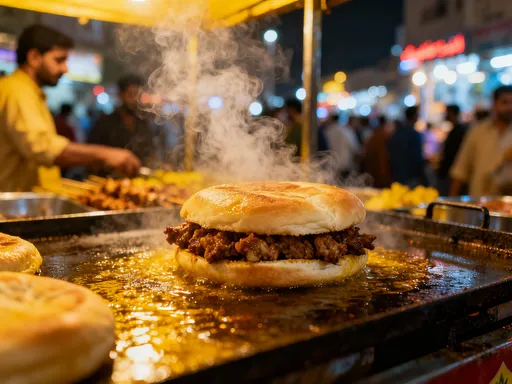
What makes Jeddah immediately distinctive is its authenticity. There’s no attempt to package history into a sterile museum experience. Instead, life unfolds organically—children play near centuries-old doors carved with geometric patterns, and the scent of grilled meat and spices drifts from small family-run eateries tucked into alleyways. The city’s coastline along the Red Sea provides a dramatic natural frame, with waves gently lapping against rocky shores and public parks offering shaded respite. This duality—urban energy alongside deep-rooted tradition—creates a travel experience that feels both enriching and grounded.
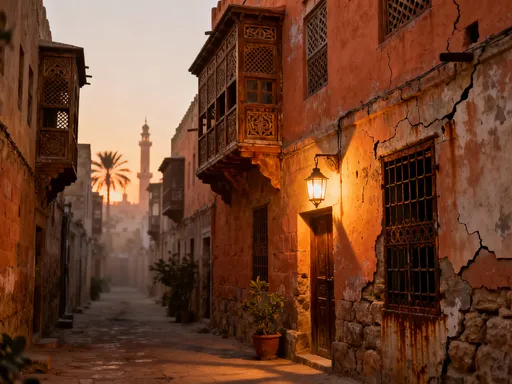
Al-Balad, designated a UNESCO World Heritage site in 2014, is the soul of this authenticity. Its preservation is not just about architecture but about safeguarding a way of life. The coral stone used in construction—harvested sustainably from the Red Sea—was once a practical response to the region’s intense heat, providing natural insulation. These buildings, many over 200 years old, feature *rawasheen*, the ornate wooden latticework balconies that allowed women to observe street life while maintaining privacy. Today, these homes are being carefully restored, not as tourist exhibits, but as living spaces—some now serve as guesthouses, cultural centers, or boutique shops. This respectful revitalization speaks volumes about Jeddah’s approach to modernization: progress without erasure.
Al-Balad: Where Time Stands Still (Yet Life Moves Fast)
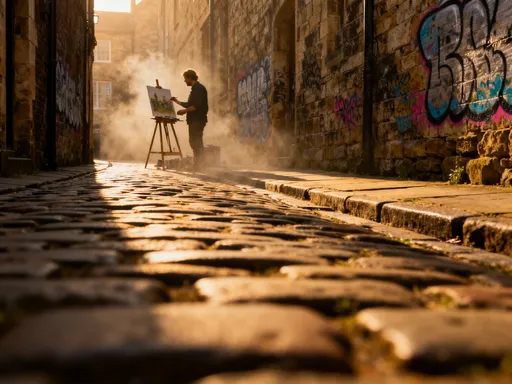
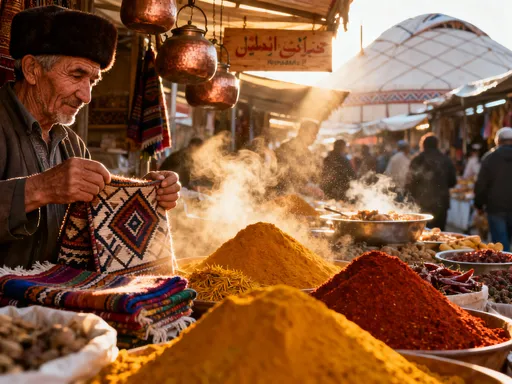
Walking through Al-Balad is like stepping into a living history book, one where the pages still breathe. The narrow, winding streets are uneven underfoot, paved with stones that have borne the weight of merchants, pilgrims, and locals for generations. Donkey carts, though less common than in decades past, still appear in some corners, adding to the district’s timeless rhythm. The air is rich with sensory layers—the smoky sweetness of burning oud, the sharp tang of crushed cardamom, the earthy aroma of aged wood and damp coral stone. Shopkeepers stand at the entrances of small stalls, offering everything from hand-rolled incense to traditional Hejazi coffee pots, their voices warm and unhurried.
But Al-Balad is not frozen in time. Beneath its vintage surface, a quiet renaissance is underway. Young artists, historians, and entrepreneurs are breathing new life into the district. Abandoned homes are being transformed into art galleries showcasing Saudi talent, intimate cafés serve mint tea and dates in restored courtyards, and cultural festivals bring music and storytelling back to public spaces. Naseem Garden, once a royal orchard, now functions as a peaceful green lung within the city, where families gather under shaded walkways and students read beneath flowering jacarandas. The Ottoman-era Al-Shafi’i Mosque, with its elegant minaret and serene courtyard, remains a place of quiet reflection, its call to prayer echoing softly through the alleys at dawn and dusk.
One of the most magical experiences in Al-Balad is a night walk. As the sun sets and the heat fades, the district transforms. Soft lantern light spills onto the coral walls, illuminating the intricate carvings and weathered textures of centuries-old facades. Shadows dance across alley corners, and the air cools just enough to make strolling pleasant. Locals emerge—elderly men sipping tea on low stools, women in flowing abayas chatting near doorways, children chasing each other between arches. There’s a gentle hum of community life, unhurried and deeply rooted. For women travelers, especially those seeking meaningful cultural immersion, Al-Balad offers a rare sense of safety and welcome. The pace is slow, the people are courteous, and the atmosphere is one of quiet dignity.
The Red Sea Coast: Nature’s Masterpiece Unfolds
Just beyond the city limits lies one of the planet’s most extraordinary underwater ecosystems—the Red Sea. Known for its exceptional clarity and biodiversity, these waters are home to over 1,200 species of fish and more than 250 types of coral, many found nowhere else on Earth. The marine environment here is not just a backdrop; it’s a living, breathing wonder that has shaped Jeddah’s identity for centuries. Fishing, pearling, and maritime trade were once the lifeblood of the region, and today, that connection to the sea continues in new forms—eco-tourism, diving, and coastal conservation.
For visitors, the opportunity to experience this underwater world is unparalleled. Snorkeling and diving sites such as Thuwal Caves and the Coral Beach Reserve offer accessible entry points for all skill levels. Even casual swimmers can float above shallow reefs and witness parrotfish darting through coral gardens, or spot the occasional reef shark gliding in the distance. The water’s clarity—often exceeding 30 meters of visibility—makes every dive feel like flying through a living aquarium. The coral formations themselves are breathtaking: brain corals in deep purples, staghorn in delicate whites, and massive table corals that create entire underwater cities for marine life.
But you don’t need to dive to appreciate the Red Sea’s beauty. From the shore, the colors shift with the sunlight—turquoise near the surface, deep sapphire further out. Coastal parks like Al-Sharif and Hai Al-Rawdha offer shaded picnic areas, walking paths, and safe swimming zones, making them ideal for families or solo travelers seeking a peaceful day by the water. These spaces are well-maintained, clean, and family-oriented, with separate areas for men and women in some sections, reflecting local customs while ensuring comfort for all. The sea breeze carries a refreshing coolness, and the sound of waves provides a natural soundtrack to quiet contemplation.
Conservation efforts are increasingly visible. The Coral Beach Reserve, for example, is a protected marine area where anchoring and fishing are restricted to preserve the fragile ecosystem. Educational signage explains the importance of coral reefs and the threats they face from climate change and pollution. Local dive operators often participate in reef clean-up initiatives and promote sustainable tourism practices. For environmentally conscious travelers, particularly women who value stewardship and mindful travel, Jeddah offers a chance to engage with nature in a responsible, respectful way.
The Corniche: Where City Meets Sea in Perfect Harmony
Stretching over 30 kilometers along the Red Sea, Jeddah’s Corniche is more than a seaside promenade—it’s the city’s social and cultural spine. This expansive waterfront is where locals come to relax, connect, and celebrate the rhythm of daily life. Palm trees line the walkways, their fronds rustling in the breeze, while families spread out on picnic blankets, children fly kites, and couples stroll hand in hand. Cyclists and joggers move along dedicated lanes, and small kiosks sell fresh juice, grilled corn, and sweet camel milk tea. The atmosphere is vibrant yet peaceful, a rare balance that makes the Corniche one of the most welcoming public spaces in the region.
One of the most iconic landmarks along the Corniche is the Floating Mosque, officially known as Al-Rahma Mosque. Built on pillars over the water, it appears to rise from the sea during high tide, creating a serene and almost surreal image. The mosque is open to visitors outside of prayer times, and its interior is elegantly simple—white marble floors, soft lighting, and intricate geometric patterns in the stained glass. It’s a place of quiet beauty, where even non-Muslim guests can sit and reflect, appreciating the harmony between architecture and nature. At sunset, the mosque glows in the golden light, and the surrounding area fills with families enjoying the *maghrib* walk—a cherished tradition of evening strolls after the day’s heat subsides.
The Corniche also reflects Jeddah’s evolving cultural identity. Public art installations—sculptures, calligraphy panels, and interactive exhibits—dot the shoreline, many created by Saudi artists. These works celebrate national heritage while embracing contemporary expression. Family-friendly attractions like Fakieh Aquarium and Dolphin Park offer engaging experiences for children, with educational programs about marine life and conservation. The aquarium, housed in a striking circular building, features a tunnel walkway where visitors can watch sharks, stingrays, and colorful fish glide overhead. These modern additions don’t overshadow the natural beauty of the coast; instead, they enhance the visitor experience while promoting learning and connection.
For women travelers, the Corniche is especially inviting. It’s safe, well-lit, and widely used by local families, making it easy to feel part of the community. Separate seating and walking areas in certain zones ensure privacy and comfort in accordance with cultural norms. Whether you’re walking at dawn, sipping tea at a seaside café, or watching the sunset with a book in hand, the Corniche offers a sense of belonging—a place where the city opens its arms to both residents and visitors.
Hidden Gems Beyond the Guidebooks
While Al-Balad and the Corniche are well-known, some of Jeddah’s most rewarding experiences lie off the beaten path. The Jeddah Regional Museum, for instance, is an ethnographic treasure often overlooked by international tourists. Housed in a traditional coral building, it offers a thoughtful, well-curated journey through Hejazi culture—displaying historic garments, handcrafted jewelry, agricultural tools, and ancient manuscripts. Informative panels explain the significance of each artifact, from bridal costumes embroidered with gold thread to the incense burners used in daily rituals. It’s a quiet, reflective space that deepens understanding of the region’s heritage.
Nearby, the King Abdulaziz Historical Center combines education and leisure in a beautifully landscaped setting. The complex includes a large library, exhibition halls, and a heritage village that recreates a traditional Saudi home. Children can try on historic clothing, grind grain with stone tools, or listen to folk tales told by costumed guides. The surrounding gardens are lush and fragrant, with fountains, shaded benches, and walking paths that invite slow exploration. It’s an ideal destination for mothers traveling with children or those interested in cultural preservation.
For nature enthusiasts, the Farasan Islands offer an unforgettable escape. Located about 400 kilometers south of Jeddah, these islands are part of a protected archipelago known for their pristine coral reefs, mangrove forests, and abundant birdlife. While access requires a boat trip and advance permission, the journey is worth it for those seeking untouched beauty. The islands are home to the endangered Arabian gazelle and serve as a nesting site for sea turtles. Birdwatchers can spot flamingos, herons, and migratory species that pass through each season. Even if a full visit isn’t feasible, day trips and guided tours are becoming more available as Saudi Arabia expands its tourism offerings.
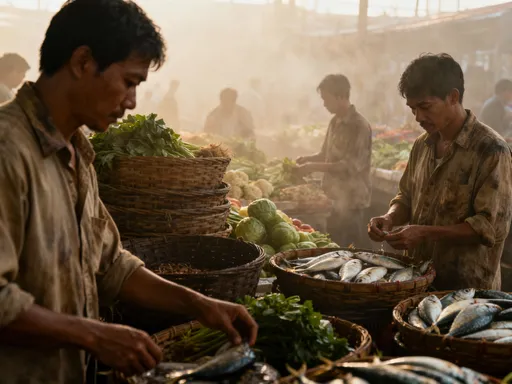
Within the city, local markets like Suq al-Alawi provide authentic encounters with everyday life. Unlike the polished souks of other Gulf cities, this market feels lived-in and genuine. Vendors sell handmade baskets, woven palm mats, and traditional sweets like *halwa* and *ghorayeba*. The hospitality is warm—shopkeepers often offer tea and conversation, eager to share stories about their families and crafts. These moments of human connection, simple yet profound, often become the most cherished memories of a trip.
Practical Insights: Making the Most of Your Visit
Planning a visit to Jeddah with comfort and respect in mind ensures a smooth and enriching experience. The best time to travel is between November and February, when temperatures range from 20°C to 28°C (68°F to 82°F), making outdoor exploration pleasant. Summers can be extremely hot, with temperatures often exceeding 40°C (104°F), so air-conditioned accommodations and midday breaks are essential if visiting during warmer months.
Dress code is an important consideration. While Jeddah is more relaxed than some other Saudi cities, modest clothing is expected. Women should wear loose-fitting garments that cover shoulders and knees; many choose abayas, which are readily available for rent or purchase. Lightweight, breathable fabrics like cotton and linen are ideal for staying cool. Carrying a scarf is helpful for visiting religious or cultural sites. Men should avoid wearing shorts in public areas, opting instead for long trousers.
Transportation has improved significantly. While public buses and the new Jeddah Metro are expanding, renting a car with a driver or using ride-hailing apps like Uber and Careem offers greater flexibility and comfort. These services are widely used, safe, and convenient for navigating the city. Taxis are also available, though it’s wise to confirm fares in advance.
When it comes to dining, Jeddah offers a wide range of options. International cuisines are available in malls and hotels, but trying local dishes enhances the cultural experience. *Kabsa*, a fragrant rice dish with meat and spices, and *mutabbaq*, a stuffed pastry often filled with banana or meat, are must-tries. Many family-owned restaurants offer home-style cooking in welcoming environments. Alcohol is strictly prohibited, but there are excellent non-alcoholic alternatives, including fresh juices, laban (a yogurt drink), and Arabic coffee.
Health and safety are well-managed. Tap water is not recommended for drinking; bottled water is widely available. Sun protection is crucial—hats, sunglasses, and high-SPF sunscreen should be part of every day’s routine. Pharmacies are plentiful, and major hospitals offer high-quality care. It’s also advisable to carry a copy of your travel insurance and any necessary medications.
Why Jeddah Deserves a Spot on Your Travel Map
Jeddah challenges assumptions. It is not merely a transit point for pilgrims, nor is it a city chasing modernity at the cost of its soul. Instead, it stands as a testament to thoughtful transformation—where history is preserved, nature is honored, and culture is shared with quiet pride. For women travelers aged 30 to 55, it offers something increasingly rare: a destination that feels both safe and deeply authentic, where every experience—from walking ancient alleys to floating above coral reefs—carries meaning.
The city’s appeal lies in its layers. It doesn’t reveal itself all at once. First, there’s the visual beauty—the coral houses, the sea views, the golden sunsets. Then comes the cultural depth—the stories in the museum, the warmth of a market vendor, the call to prayer at dusk. Finally, there’s the emotional resonance—the sense of being somewhere that values tradition while embracing the future. Jeddah doesn’t shout; it invites. It doesn’t dazzle; it reveals.
As Saudi Arabia continues to open its doors to international visitors, Jeddah stands at the forefront of this change. It is a city redefining what travel in the region can be—not just about sightseeing, but about connection, understanding, and personal growth. Whether you’re drawn to history, nature, or the simple joy of a seaside walk, Jeddah offers a journey that lingers long after you’ve returned home. It’s not just a place to visit. It’s a place to remember, to reflect upon, and, for many, to return to—again and again.