What Happens When You Hit the Road to Fujairah’s Hidden Food Gems?
Driving through Fujairah feels like discovering a secret no one told you about—rugged mountains meet the Gulf, and the real magic? The food. Not the flashy kind, but the real stuff: smoky grilled meats, slow-cooked stews, and flatbreads pulled hot from the oven. I took a weekend drive, windows down, playlist loud, and found flavors that hit different. This isn’t just a trip—it’s a taste of authentic Emirati soul, one bite at a time. Away from the high-rises and polished plazas, Fujairah offers something increasingly rare: unfiltered cultural warmth, where meals are still made with patience, pride, and generations of tradition. This journey isn’t just about where you go—it’s about what you taste, who you meet, and how a single meal can shift your entire perspective.
Why Fujairah? The Allure of the East Coast
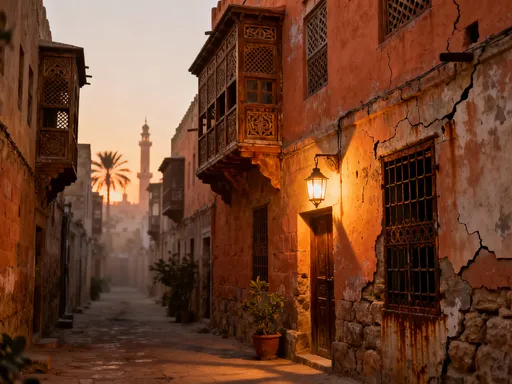
Fujairah stands apart from the rest of the United Arab Emirates, both geographically and culturally. As the only emirate located entirely on the Gulf of Oman, it is shielded by the Hajar Mountains, which act as a natural barrier from the arid interior and the fast-paced urban centers to the west. This isolation has preserved a quieter, more traditional way of life, one where community rhythms are still tied to the sea and the seasons. Unlike the skyscraper-lined skylines of Dubai or Abu Dhabi, Fujairah unfolds in terracotta tones—stone buildings nestled between mountain folds, fishing boats bobbing gently in small harbors, and date palms swaying in the coastal breeze.
The pace here is deliberate, unhurried. There are no sprawling malls or tourist-heavy attractions, which makes Fujairah an ideal destination for travelers seeking authenticity. The food culture reflects this. Meals are not rushed or mass-produced; they are often prepared in family kitchens or small, locally run eateries where recipes have been passed down through generations. The mountainous terrain contributes to a unique microclimate, supporting agriculture that brings fresh dates, limes, and herbs to local tables—ingredients that shine in traditional Emirati dishes.
From a practical standpoint, Fujairah is surprisingly accessible. A scenic drive of just 1.5 to 2 hours from Dubai or Sharjah places travelers in a completely different world—one defined by winding roads, ocean views, and the scent of frankincense drifting through the air. The lack of heavy traffic and commercial congestion enhances the sense of escape. For families, especially women managing household routines, this kind of journey offers a rare opportunity to pause, reconnect with nature, and experience the UAE beyond its modern façade. Fujairah doesn’t dazzle with lights; it invites you in with sincerity.
The Open Road: Planning Your Fujairah Drive
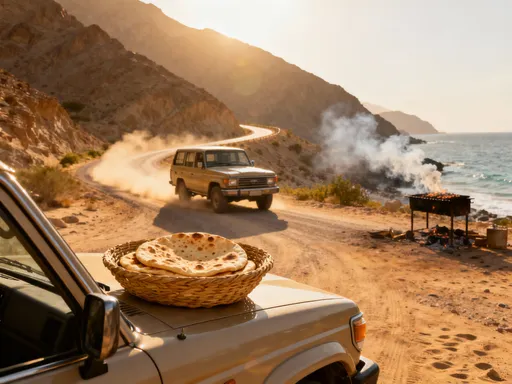
One of the greatest joys of visiting Fujairah is the journey itself. The freedom of the open road—windows down, music playing, and the landscape unfolding mile by mile—sets the tone for a meaningful escape. Most travelers begin their trip from Dubai, Sharjah, or Ajman, all of which offer smooth access to the E611 (Emirates Road) or the older, more scenic E88 (Fujairah Highway). The E611 is faster and well-maintained, ideal for those who want to minimize drive time, while the E88 offers a more immersive experience, passing through wadis, small villages, and stretches of untouched desert.
For a relaxed and safe journey, it’s best to leave early in the morning, ideally between 6:00 and 7:00 a.m. This allows travelers to avoid both the midday heat and the heavier traffic that builds later in the day. The drive time ranges from 90 minutes to two hours, depending on the starting point and route chosen. Air conditioning should be checked beforehand, especially during summer months when temperatures can soar. It’s also wise to carry extra water, snacks, and a fully charged phone, as some rural areas may have limited signal.
Using offline maps is highly recommended. While major highways are well-signed, detours to hidden food spots or mountain paths may not appear on standard GPS systems. Applications like Google Maps or Maps.me can be downloaded for offline use, ensuring you stay on track without relying on data. Another advantage of self-driving is spontaneity—stopping at a roadside fruit stall, pulling over for a photo of the mountains, or following a local’s suggestion to a tucked-away café. This flexibility is especially valuable for family travelers, who can adjust the pace to suit children or rest when needed.
The car becomes more than a vehicle; it’s a private space where conversation flows, music connects generations, and the journey itself becomes part of the memory. For many women who manage daily logistics, this sense of control and freedom is deeply refreshing. There’s no need to rush, no rigid schedules—just the road, the rhythm of the engine, and the promise of something real at the end.
First Stop: Qidfa’ – Where Tradition Meets Taste
About halfway between the start of the Fujairah Highway and the city center lies Qidfa’, a quiet inland area that offers one of the most authentic introductions to Emirati cuisine. Far from the polished dining rooms of city restaurants, Qidfa’ is home to modest, family-run eateries where meals are cooked in open kitchens and served with genuine warmth. This is where tradition isn’t performed for tourists—it’s lived.
Breakfast in Qidfa’ is a revelation. One of the most beloved dishes is madrouba, a creamy, spiced porridge made from slow-cooked chicken, rice, and a blend of turmeric, cinnamon, and black lime. The texture is rich and comforting, almost like a savory custard, and it’s often served with a side of fresh regag bread—thin, crispy flatbreads that crackle with every bite. Another staple is harees, a dish with deep cultural roots, especially during Ramadan. Made from wheat and tender lamb, cooked for hours until it reaches a smooth, homogenous consistency, harees is seasoned simply with salt and ghee, letting the natural flavors shine.
For those with a sweet tooth, balaleet offers the perfect balance. This unique dish combines sweet saffron-infused vermicelli with a layer of scrambled eggs on top, creating a surprising but harmonious blend of flavors. It’s often served warm, with a sprinkle of powdered sugar and a cup of cardamom tea on the side. The combination of sweet and savory reflects the nuanced palate of Emirati cuisine, where contrasts are embraced rather than avoided.
The restaurants in Qidfa’ are unpretentious—some are little more than open-air sheds with plastic tables and chairs, but the hospitality is unmatched. Owners often greet guests like family, offering extra servings and stories about how their recipes were learned from mothers and grandmothers. There’s no menu in the Western sense; instead, travelers are asked what they’d like to try, and the kitchen prepares whatever is fresh and ready. This personal touch makes the experience deeply human, a reminder that food is not just fuel but a language of care.
Coastal Cravings: Fresh Seafood in Dibba
As the road curves closer to the coast, the landscape shifts—rocky hills give way to turquoise waters, and the air carries the unmistakable scent of salt and grilled fish. Dibba, a coastal town split between the UAE, Oman, and Fujairah, has long been a hub for fishing, and its culinary identity is built around the daily catch. Here, seafood isn’t just a meal; it’s a way of life.
The most common fish found in Dibba include hamour (grouper), kanad (kingfish), and zubaidi (silver pomfret), all prized for their firm texture and mild flavor. Shrimp and lobster are also abundant, especially during the cooler months. The traditional method of preparation is simple but effective: fish is cleaned, seasoned with salt, lemon, and a blend of spices like cumin and coriander, then grilled over hot charcoal. The result is tender, smoky flesh that flakes apart with a fork, served with a side of rice or flatbread.
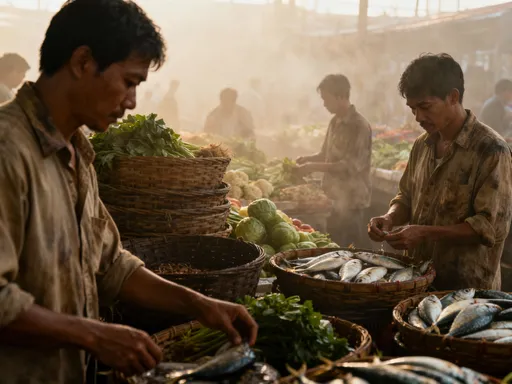
One of the most iconic dishes is sayadiya, a fragrant fish and rice preparation that originated with the region’s fishing communities. The rice is cooked with caramelized onions, cumin, and a special spice mix, then topped with flaked fish and a garnish of toasted nuts. The dish is golden in color, aromatic, and deeply satisfying—a true celebration of the sea. Many locals recommend visiting Dibba in the late afternoon, when fishing boats return to the harbor. Travelers can walk along the docks, see the fresh catch being unloaded, and even choose their own fish to be cooked on the spot at a nearby grill.
For a more immersive experience, visiting a local souq or a seaside majlis-style eatery is ideal. These informal dining spaces are often run by families and set up near the water, with low seating and views of the waves. Meals are shared, conversations flow, and time slows down. It’s not uncommon for elders to recount stories of life at sea, or for children to run barefoot along the shore between bites of grilled fish. This intergenerational connection, centered around food, is one of Dibba’s most precious offerings.
Mountain Flavors: Dining with a View in Wadi Siji
A short detour from the main highway leads to Wadi Siji, a lush valley surrounded by rugged cliffs and seasonal streams. This natural oasis offers a striking contrast to the coastal towns, with cooler temperatures, greenery, and the sound of running water. It’s also becoming a destination for travelers seeking not just beauty, but authentic mountain cuisine.
Food here is rustic and hearty, designed to sustain those who work the land or hike the trails. One of the most popular dishes is mandi, a Yemeni-influenced preparation that has become a regional favorite. Lamb or chicken is slow-cooked in an underground tandoor, allowing the meat to absorb the smoky essence of the fire. It’s served over fragrant basmati rice, often spiced with cloves, cardamom, and black lime. The meat falls off the bone, tender and rich, while the rice soaks up the juices, creating a deeply flavorful combination.
In recent years, small eco-friendly cafes have begun to appear in and around Wadi Siji, run by locals who prioritize sustainability and tradition. These cafes often use ingredients sourced from nearby farms—dates, honey, dairy, and herbs—prepared with minimal processing. A simple cup of qahwa (Arabic coffee) served with dates is more than a drink; it’s a gesture of welcome, rooted in Bedouin hospitality.
For families, Wadi Siji offers the perfect blend of adventure and comfort. Packing a picnic is a popular option—fresh fruit, labneh with olive oil, and homemade bread can be enjoyed under the shade of acacia trees. Alternatively, stopping at a family-operated tea stall provides a chance to taste homemade sweets like luqaimat, deep-fried dough balls drizzled with date syrup. These moments, simple and unplanned, often become the most memorable parts of the journey.
Off-the-Beaten-Path Eats: Hidden Cafés and Local Secrets
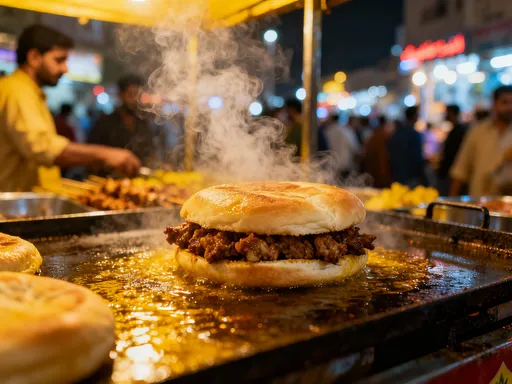
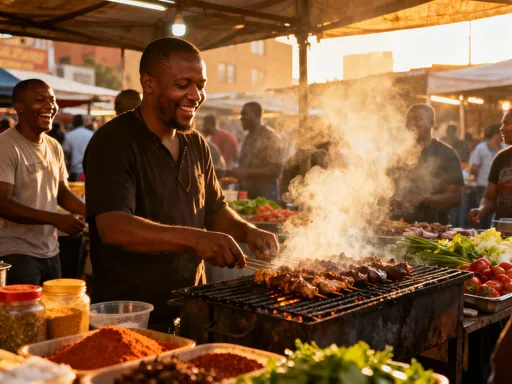
The true treasures of Fujairah aren’t found in guidebooks or on food blogs—they’re discovered through conversation, curiosity, and a willingness to wander. Some of the best meals come from places with no signs, no websites, and no air conditioning. A roadside shwarma stand, for example, might serve spiced lamb on fresh khubz bread with a garlic sauce that lingers on the palate for hours. The owner, a man in his fifties with calloused hands, might tell you he’s been grilling meat for 30 years, using the same spice blend his father taught him.
Other hidden gems include Emirati homes that open their doors as informal cafes, known only through word-of-mouth. These are not commercial ventures but acts of generosity, where women serve home-cooked meals to travelers who show respect and interest. Dishes like machboos (spiced rice with meat or fish), thareed (bread soaked in stew), and chebab (soft, date-stuffed pancakes) are prepared in clay ovens and served on low tables. There’s no menu, no prices listed—guests are simply invited to eat, and payment, if any, is left as a gesture of thanks.
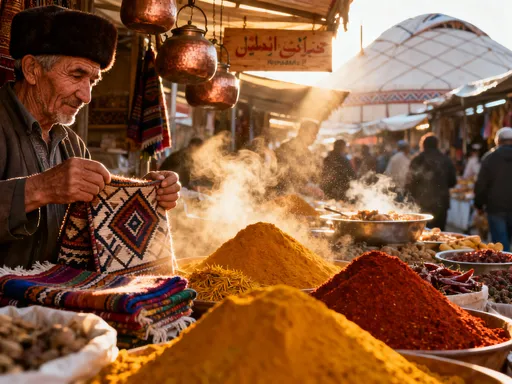
Small bakeries tucked into village corners also offer delights. One might specialize in raqaq, a paper-thin bread brushed with ghee, while another bakes khameer rolls filled with date paste. These places operate on instinct and tradition, opening when the oven is hot and closing when the bread is gone. The lack of commercial polish is not a flaw—it’s the point. Authenticity here isn’t curated; it’s inherent.
The key to finding these spots is asking. A simple “Where do you eat?” to a shopkeeper, gas station attendant, or local mother at a park can lead to the best meal of the trip. These recommendations come from pride, not profit. Travelers should approach with humility, respect local customs, and be open to experiences that don’t fit the typical tourist mold. The reward is not just a good meal, but a connection—a moment of shared humanity over a plate of warm bread and spiced stew.
From Plate to Perspective: Why Food Defines the Journey
Travel changes us, but not always in the ways we expect. A skyline, a monument, or a scenic view might impress, but it’s often a meal—a simple, honest meal—that leaves a lasting imprint. In Fujairah, every dish tells a story: of resilience in a harsh climate, of generosity in a close-knit community, of flavors preserved through generations. To eat here is to listen to those stories, not with words, but with the senses.
Compare this to the formulaic dining experiences found in urban malls—identical chain restaurants, predictable menus, sterile environments. There’s comfort in familiarity, but little soul. Fujairah’s food, by contrast, is alive. It varies by season, by family, by mood. A harees made in winter tastes different from one made in summer, not just because of ingredients, but because of the intention behind it. These meals are not produced; they are given.
For women who often bear the responsibility of feeding and nurturing their families, this kind of culinary authenticity can be deeply moving. It’s a reminder that food is not just about nutrition, but about love, identity, and continuity. Sharing a meal in a Fujairah village, being offered seconds with a smile, hearing a grandmother explain how she learned to grind her own spices—these moments restore a sense of meaning that daily routines can sometimes obscure.
Tasting local cuisine is, in many ways, the most honest form of travel. It requires slowing down, being present, and opening oneself to the unfamiliar. It’s not about checking a box or taking a perfect photo; it’s about connection. And in a world that often feels rushed and disconnected, that kind of connection is a gift.
Conclusion: More Than a Meal—A Road Well Taken
The drive to Fujairah is more than a change of scenery—it’s a shift in perspective. From the quiet roads to the mountain vistas, from the fishing docks to the family kitchens, every part of the journey invites travelers to slow down and savor. The food is not an add-on; it’s the heart of the experience. Each bite carries the weight of history, the warmth of hospitality, and the simplicity of a life lived with intention.
Fujairah challenges the stereotype of the UAE as a land of only luxury and modernity. It reveals another side—one of quiet strength, cultural depth, and everyday beauty. For women who manage households, care for families, and often put their own needs last, this kind of journey offers renewal. It’s not about extravagance, but about authenticity. It’s not about being seen, but about truly seeing.
So, the next time you feel the pull to escape, consider the road less traveled. Roll down the windows, follow the scent of grilled fish and spiced bread, and let Fujairah surprise you. Your next great meal isn’t in a skyscraper—it’s waiting at the end of a quiet road, served with a smile, and made with love. The journey, the flavors, and the people will remind you why travel matters. And sometimes, all it takes is one bite to remember who you are.