Seoul’s Backyard Secret: Where Volcanoes, Tides, and Trails Collide
Ever thought Incheon was just an airport? Think again. Most travelers rush through its sleek terminals, never realizing that beyond the jet bridges lies a landscape shaped by fire, water, and time. Hidden in plain sight are volcanic rock formations carved by ancient eruptions, vast tidal flats that breathe with the moon’s rhythm, and coastal trails where the wind carries stories older than cities. Incheon is not merely a gateway to Seoul—it is a geological wonderland quietly waiting to be explored. With its mix of rugged islands, dynamic coastlines, and centuries-old farming traditions, this western edge of South Korea offers a rare blend of raw nature and cultural resilience. If you're seeking beauty without the crowds, adventure without the risk, and authenticity without performance, Incheon’s unique terrain might just become your most unforgettable Korean memory.
Beyond the Terminal: Why Incheon Deserves More Than a Layover
Incheon International Airport ranks among the world’s most efficient and modern transit hubs, earning accolades for its seamless design and traveler-friendly services. For millions each year, it serves as a brief pause between long-haul flights—a place to stretch legs, grab a coffee, and board the next connection. Yet this practical perception obscures a deeper truth: Incheon is far more than a logistical convenience. Nestled at the confluence of the Han River and the Yellow Sea, the city occupies a geologically and ecologically significant zone where land, water, and human history converge. Its coastal position has made it a crossroads of trade and migration for centuries, but more importantly, it has shaped a terrain unlike any other in South Korea.
The region’s location along the west coast exposes it to powerful tidal forces, with some of the highest tidal ranges in the country. These tides, combined with sediment deposits from major rivers, have created expansive intertidal zones that support rare ecosystems and attract migratory birds from across Asia. Simultaneously, underlying volcanic activity from millions of years ago left behind basalt formations, cliffs, and rocky islets that now rise dramatically from the sea. This combination of marine dynamics and ancient geology makes Incheon a living laboratory of natural processes, often overlooked by those who see only concrete and terminals.
What sets Incheon apart is its accessibility to wild landscapes without requiring days of travel. Within an hour’s journey from the airport, visitors can stand atop sea cliffs formed by cooled lava flows, walk across tidal flats designated as UNESCO World Heritage sites, or hike through island trails lined with wild grasses and coastal flora. The contrast between the hyper-modern airport and the untamed nature nearby is striking—and intentional. Recognizing this duality allows travelers to redefine their expectations. Instead of viewing Incheon as a transitional space, one can embrace it as a destination in its own right, where quiet coastlines and geological wonders offer a different kind of Korean experience—one rooted not in neon-lit cities, but in the rhythms of tides and the whispers of wind over stone.
The Volcanic Heart: Exploring Songdo and the Remnants of Ancient Eruptions
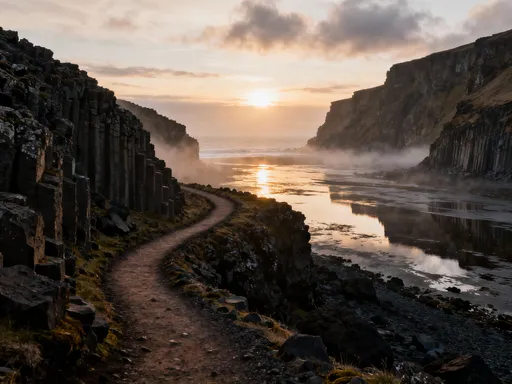
Beneath Incheon’s urban development lies a fiery past. Millions of years ago, volcanic activity pulsed beneath what is now the western coastline of South Korea. Though no longer active, the remnants of these ancient eruptions remain visible in the form of basalt columns, rugged outcrops, and layered rock formations. One of the most accessible examples can be found on Wolmido Island, just south of Incheon’s downtown area. Here, coastal erosion has exposed dark, hexagonal basalt columns that resemble those found at Ireland’s Giant’s Causeway—nature’s own architectural masterpiece.
These formations originated during the Cenozoic era, when magma intruded into sedimentary layers and cooled slowly, forming polygonal cracks due to contraction. Over time, the softer surrounding rock eroded away, leaving behind the more resistant basalt structures we see today. While the volcanic activity itself ceased long ago, its legacy endures in the dramatic silhouettes along the shoreline. Visitors walking the Wolmido coastal path can observe how wave action continues to shape these rocks, carving caves, arches, and ledges that change subtly with every storm and tide.
Songdo, often celebrated for its futuristic skyline and smart-city infrastructure, also rests upon this volcanic foundation. Beneath its glass towers and man-made canals, the bedrock tells a much older story—one of heat, pressure, and transformation. A short drive east reveals additional sites where basalt formations peek through parks and coastal walkways. For geology enthusiasts or curious hikers, guided tours occasionally highlight these features, explaining how volcanic history contributed to soil fertility and coastal resilience in the region.
For safe and rewarding exploration, timing and preparation matter. Early morning or late afternoon visits offer softer light for photography and cooler temperatures for walking. Sturdy footwear with good grip is essential, as basalt surfaces can be uneven and slippery when wet. Sun protection and hydration are recommended, especially during summer months when shade is limited. Most importantly, visitors should stay on designated paths to protect both themselves and the fragile rock surfaces from excessive wear. By approaching these sites with respect and curiosity, travelers gain more than scenic views—they connect with the deep time that shaped the land beneath their feet.
Tidal Flats Uncovered: Walking on a Landscape That Breathes
One of Incheon’s most remarkable natural assets lies beneath the surface—literally. The vast tidal flats, known locally as getbol, stretch across the coastline, particularly around Ganghwa Island and extending into nearby Seocheon. These mudflats are among the largest and most biologically rich in East Asia, playing a critical role in the migratory patterns of shorebirds such as the endangered spoon-billed sandpiper and the black-faced spoonbill. In 2021, South Korea’s getbol, including the Incheon site, were collectively inscribed as a UNESCO World Heritage site, recognizing their global ecological importance.
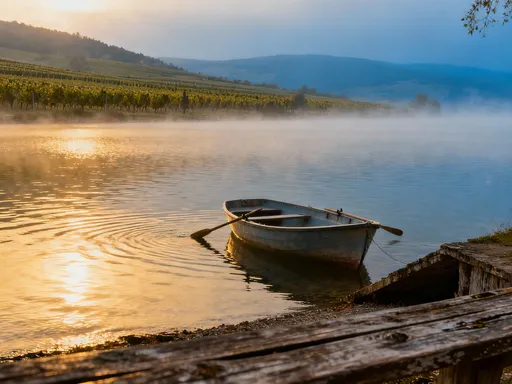
What makes these tidal flats extraordinary is their rhythm. Twice daily, the tides recede and return, exposing up to several kilometers of nutrient-rich mud that teems with life. Burrowing crabs, shellfish, worms, and microorganisms thrive in this dynamic environment, forming the base of a complex food web. As the water pulls back, flocks of birds descend to feed, creating a living tapestry of motion and sound. For visitors, walking on the exposed flats during low tide is a surreal experience—like stepping onto another planet where the ground squelches underfoot and ripples with hidden movement.
Guided eco-tours provide a safe and educational way to experience the getbol. Led by trained naturalists, these walks emphasize minimal impact and maximum awareness. Participants wear waterproof boots or provided waders, learn to identify key species, and understand how sediment flow from the Han and Imjin Rivers sustains the ecosystem. The guides also explain traditional harvesting methods used by local communities, such as collecting clams and lugworms, which have supported coastal livelihoods for generations.
Timing is crucial. Tours operate strictly according to tide charts, typically launching two to three hours before low tide to allow ample exploration time before the waters return. Visitors must register in advance and follow instructions closely, as sudden tidal shifts can pose risks in unfamiliar terrain. Beyond logistics, there’s a deeper lesson in these walks: the realization that land and sea are not fixed boundaries but fluid, interconnected systems. Experiencing the getbol firsthand fosters a sense of humility and wonder, reminding us that some of Earth’s most vital processes occur not in forests or mountains, but in the quiet, muddy margins between worlds.
Island Escapes: Daebyeon-ri and the Wild Coast of Ganghwa
Ganghwa Island, accessible by bridge from Incheon, offers one of the region’s most dramatic natural escapes. While parts of the island attract cultural tourists visiting ancient dolmens and Buddhist temples, its northern coast remains refreshingly unspoiled. Here, the village of Daebyeon-ri serves as a gateway to the Daebyeon-ri Coastal Trail—a scenic route that winds along sea cliffs, rocky inlets, and windswept highlands. This trail, less than 5 kilometers long, delivers panoramic views of the Yellow Sea and reveals layers of sedimentary and volcanic rock that tell a story spanning millions of years.
The landscape here feels remote, even though it’s only an hour from the city. Salt-resistant grasses cling to crevices in the rock, while seabirds circle overhead, riding thermal currents off the water. At certain vantage points, the curvature of the Earth seems visible on clear days, and the only sounds are the crash of waves and the rustle of grass. Interpretive signs along the trail explain the geological history, including periods of submersion and uplift, helping visitors appreciate the forces that sculpted this rugged coastline.
Reaching Daebyeon-ri requires a bit of planning but rewards with solitude and authenticity. From Incheon Station, regional buses run to Ganghwa Town, where transfers to local village routes are available. Alternatively, renting a bicycle at the southern end of the island allows for a full-day journey northward, passing rice fields, small shrines, and family-run tea houses. Biking offers flexibility and a closer connection to the local pace of life, where time moves with the seasons rather than schedules.
Nearby, small markets in Ganghwa County offer regional specialties such as black goat soup, salted crab, and freshly harvested seaweed snacks—all made from ingredients sourced from the surrounding land and sea. Unlike commercialized tourist zones, these vendors operate on a small scale, often run by older residents who welcome conversation and shared meals. Stopping for lunch at a seaside restaurant provides not just nourishment but a window into coastal Korean life, where food, family, and environment are deeply intertwined.
Human Meets Nature: How Centuries of Farming Shaped the Land
While Incheon’s natural landscapes appear timeless, they have been quietly shaped by human hands for generations. Along the tidal margins and low-lying plains, traditional farming practices have transformed the terrain in subtle yet lasting ways. Rice paddies, carefully terraced and irrigated, follow the contours of the land, reflecting the sky like scattered mirrors. In areas like Bupyeong and parts of Ganghwa, salt farming remains a living tradition, with shallow pans laid out like geometric mosaics across the coastline.
Sea salt production in this region relies on solar evaporation—a method passed down for centuries. Seawater is channeled into a series of shallow basins, where it gradually concentrates as the sun and wind do their work. Over days or weeks, crystallized salt is harvested by hand, resulting in a mineral-rich product prized for its flavor and purity. Unlike industrial salt operations, these traditional pans coexist with the tidal ecosystem, often located within or adjacent to protected wetlands. This balance between livelihood and conservation demonstrates how sustainable practices can thrive when aligned with natural cycles.
Agritourism initiatives now invite visitors to participate in seasonal activities, from planting rice seedlings in spring to harvesting salt in late summer. These hands-on experiences go beyond recreation—they foster a deeper appreciation for the labor and knowledge embedded in rural life. Families and solo travelers alike find meaning in bending over muddy fields or raking salt under the sun, realizing how much effort goes into the simplest ingredients on their table.
These cultivated landscapes are not separate from nature but part of its extended narrative. The dikes, channels, and terraces mimic natural water flow patterns, enhancing biodiversity rather than diminishing it. Birds nest in fallow fields, crabs burrow near irrigation ditches, and wildflowers bloom along the edges of salt pans. By engaging with these spaces respectfully, visitors contribute to their preservation, supporting local economies while learning from a way of life that values patience, harmony, and stewardship.
Smart Travel: Navigating Incheon’s Natural Sites Like a Local
Exploring Incheon’s natural wonders requires more than curiosity—it demands practical preparation. Unlike Seoul, where English signage and international apps dominate, rural parts of Incheon rely heavily on Korean-language systems. For accurate navigation, Naver Maps is far more reliable than Google Maps, offering real-time bus routes, walking directions to trailheads, and user-updated information on road conditions. Downloading the app before arrival and enabling offline translation features can make a significant difference.
Public transportation connects major access points, but schedules may be infrequent, especially on weekends or holidays. Regional buses from Incheon Station or Gimpo Airport serve towns like Ganghwa and Yeongjong, but travelers should check timetables in advance and allow buffer time. For greater flexibility, consider renting a bicycle or using local taxi services, which are often affordable for short distances. Some eco-tours include pickup services from central locations, simplifying logistics for international visitors.
Packing wisely enhances comfort and safety. Coastal weather can shift quickly—sunny mornings may give way to sudden showers or strong winds. Layered clothing, a lightweight rain jacket, and a sun hat accommodate these changes. Waterproof hiking shoes or rubber boots are essential for tidal flat walks and muddy trails. A reusable water bottle, snacks, and a portable battery pack help maintain energy and connectivity, especially in areas with spotty signal.
Cash remains important in rural markets and small eateries, where card payments may not be accepted. Carrying a modest amount of Korean won ensures smooth transactions. Additionally, while many younger Koreans speak basic English, older residents in remote villages may not. Learning a few polite phrases—such as “Where is the trail entrance?” or “Thank you”—can open doors and warm hearts. Ultimately, traveling like a local means embracing slowness, asking questions kindly, and accepting that not everything will go according to plan—and that’s part of the adventure.
Why This Landscape Matters: Conservation and Quiet Tourism
Incheon’s natural landscapes are not just beautiful—they are fragile. The tidal flats, volcanic cliffs, and coastal grasslands exist in a delicate balance, threatened by urban expansion, pollution, and climate change. Rising sea levels and increased storm intensity could alter tidal patterns, while unchecked development risks fragmenting habitats essential to migratory birds and marine life. Recognizing these threats, South Korea has strengthened protections for the getbol and designated several areas as ecological conservation zones.
Local communities and environmental groups play a vital role in preservation. Volunteer programs organize beach cleanups, species monitoring, and educational outreach. Schools host field trips to the tidal flats, teaching children about biodiversity and sustainability. These efforts reflect a growing awareness that conservation is not just a government responsibility but a shared cultural value.
Travelers can contribute by practicing quiet tourism—travel that prioritizes observation over disruption, respect over consumption. This means staying on marked trails, avoiding littering, refraining from collecting rocks or shells, and choosing tour operators committed to low-impact practices. It also means listening—learning from local voices, supporting small businesses, and leaving places as you found them, if not better.
By visiting mindfully, travelers help ensure that Incheon’s landscapes remain intact for future generations. More than that, they become part of a larger movement toward responsible exploration—one that values depth over speed, connection over convenience, and preservation over profit. In a world where so many destinations succumb to over-tourism, Incheon stands as a reminder that beauty does not require crowds, and significance does not demand spectacle.
Closing: Rewriting the Map of Korea, One Hidden Trail at a Time
Incheon challenges the traveler’s imagination. It asks us to look beyond the airport, beyond the expected, and see a city shaped by elemental forces and enduring traditions. Here, volcanoes sleep beneath modern streets, tides sculpt living landscapes, and trails lead not to monuments, but to moments of stillness and clarity. This is not a destination of grand announcements, but of quiet revelations—the kind that come when you stand on a cliff watching gulls ride the wind, or when you sink slightly into mud that has fed communities for centuries.
The true value of Incheon lies in its invitation to slow down and pay attention. It does not dazzle with lights or luxury, but offers something rarer: authenticity. In its tidal flats, one witnesses the pulse of nature. In its farming villages, one sees resilience. In its coastal trails, one finds space to breathe. These experiences do not require expertise or extreme fitness—only openness and care.
As global travel evolves, so too must our definitions of worth. Not every meaningful journey leads to a famous landmark. Sometimes, the most transformative paths are the ones few have taken—the hidden coastlines, the unmarked trails, the places where geology, ecology, and mindfulness converge. Incheon, with its understated grandeur, invites travelers to rewrite the map—not just of Korea, but of what travel can mean.
So the next time you pass through its airport, consider pausing a little longer. Step outside. Let the sea air fill your lungs. Walk a trail, touch a rock formed by fire, stand on land revealed by the tide. Because sometimes, the earth’s oldest stories are told not in textbooks, but in the silence between waves, waiting for someone willing to listen.