Beyond the Beaches: Chasing Thailand’s Hidden Geological Wonders in Hua Hin
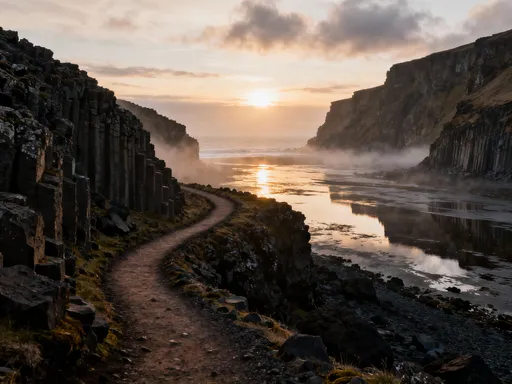
You know that feeling when you think you’ve seen it all—white sands, turquoise waves—then suddenly, nature hits you with something totally unexpected? That’s Hua Hin. Beyond its postcard beaches, this coastal gem hides jaw-dropping geological wonders: wave-sculpted cliffs, ancient rock formations, and limestone karsts rising like giants from the earth. I didn’t believe it either—until I stood beneath them. This isn’t just a beach escape. It’s a journey into the raw, untamed soul of Thailand’s landscape. While most visitors come for sunbathing and weekend markets, those who look closer discover a region shaped by tectonic forces, centuries of erosion, and the quiet persistence of nature. This is a place where mountains rise from flat shores, caves whisper secrets of the sea, and every rock tells a story millions of years in the making.
The First Glimpse: When Hua Hin Defied My Expectations
Most travelers picture Hua Hin as a relaxed coastal retreat—gentle waves, royal pavilions, and fruit stalls lining the roads. But as I drove south along the coastal highway one early morning, the landscape began to shift in ways I hadn’t anticipated. The flat shoreline gave way to dramatic outcrops of weathered limestone, their surfaces etched with deep grooves and swirling patterns. These weren’t mere decorations; they were the visible scars of time, shaped by wind, salt, and relentless waves over thousands of years. What surprised me most was how few people seemed to notice them. Tourists flocked to the beachfront resorts, yet just a few hundred meters away, nature had carved a silent masterpiece into the cliffs.
Hua Hin sits at the intersection of tectonic activity and coastal dynamics. The region lies within the western edge of the Khorat Plateau’s geological extension, where ancient seabeds were uplifted and compressed over millions of years. This process created layers of sedimentary rock—limestone, sandstone, and shale—that now form the backbone of the area’s dramatic terrain. Over time, the Andaman Sea’s waves exploited natural fractures in these layers, carving sea caves, arches, and platforms that are visible only during low tide. The result is a landscape that defies the typical image of a beach town. It’s not just flat and sandy; it’s textured, layered, and deeply alive with geological history.
Despite this richness, Hua Hin’s geology remains underappreciated. Guidebooks focus on temples and markets, and even local signage rarely explains the significance of the rock formations. This oversight means many visitors miss a deeper connection to the land. By understanding the forces that shaped these cliffs, travelers gain more than scenic views—they gain context. The next time you stand on a rocky outcrop or peer into a sea cave, you’re not just looking at stone. You’re witnessing the slow, powerful work of nature, a story written in layers, visible to those who know where to look.
Khao Takiap: Where Mountain Meets Sea in Dramatic Fashion
Rising abruptly from the flat coastline like a solitary sentinel, Khao Takiap is one of Hua Hin’s most striking natural landmarks. At first glance, it appears almost unnatural—a single limestone hill jutting out of the coastal plain, crowned by a small Buddhist temple. But its dramatic silhouette is no accident of nature. Khao Takiap is a remnant of ancient geological uplift, formed over 200 million years ago during the Mesozoic Era when this region lay beneath a shallow tropical sea. The limestone that makes up the hill was once the skeletal remains of coral reefs and marine organisms, compressed and solidified over eons.
What makes Khao Takiap particularly fascinating is its resistance to erosion. While the surrounding coastal areas have been worn down by waves and weather, this hill stands firm, its steep slopes protected by dense mineral composition and limited fissures. The rock layers visible on its flanks tell a chronological story—older strata at the base, younger deposits near the top—each layer a snapshot of a different geological epoch. These formations are not just visually compelling; they offer scientists valuable insights into past sea levels, climate conditions, and tectonic shifts in Southeast Asia.
Most visitors climb the 150 steps to the temple at the summit for panoramic views of the coastline and a chance to feed the resident macaques. Few, however, pause to examine the rocks beneath their feet. The path itself cuts through exposed limestone, revealing fossils and mineral veins. For those interested in geology, the base of the hill offers even more rewarding exploration. Here, tidal pools collect in natural basins, and wave action continues to sculpt the lower cliffs. The best time to visit is early morning, when the rising sun casts long shadows across the rock face, highlighting its textures and contours. Photographers will find ideal conditions for capturing the interplay of light and stone.
To experience Khao Takiap responsibly, visitors should stay on marked paths and avoid touching or removing any rock samples. The site is both a geological treasure and a place of spiritual significance. Respecting local customs—such as dressing modestly when visiting the temple—and avoiding disturbance to wildlife ensures that this unique landmark remains preserved for future generations. Guided eco-tours are available through local operators and often include informative commentary on both the cultural and geological aspects of the site.
Hidden Sea Caves and Tidal Platforms: Nature’s Sculpture Gallery
Far from the crowded beaches, along quieter stretches near Khao Talu and Sai Noi, the coastline reveals one of nature’s most delicate art forms: sea caves and wave-cut platforms. These features emerge only during low tide, transforming the shore into an open-air geological gallery. Smooth, undulating rock surfaces stretch like frozen waves, their curves shaped by decades of relentless water motion. Small caves, some just large enough to step into, are carved into the cliffs, their interiors glistening with moisture and reflected sunlight. To the untrained eye, they might look man-made—but they are entirely the work of natural erosion.
The formation of these structures begins with the sea’s persistent attack on weaker rock layers. Saltwater seeps into cracks, expanding them through chemical weathering and freeze-thaw cycles (though not through actual freezing, but through moisture expansion). Over time, waves exploit these weaknesses, grinding away softer material and leaving behind harder, more resistant rock. This process, known as differential erosion, creates the smooth platforms and arched openings seen today. The caves themselves are often formed by hydraulic action—where the force of water compresses air in rock crevices, eventually fracturing the stone.
While breathtaking, these formations are extremely fragile. The very processes that created them continue to wear them down, and human contact accelerates this damage. Stepping on tidal platforms can leave micro-scratches that disrupt delicate ecosystems, including algae, barnacles, and small crustaceans that depend on stable surfaces. Climbing on cave walls can dislodge rock fragments and disturb nesting sites for seabirds and bats. Even seemingly harmless actions, like leaving footprints in soft sediment, can alter water drainage patterns and affect long-term erosion.
For safe and respectful exploration, timing is essential. Visitors should consult local tide charts and plan visits during low tide, ideally in the early morning or late afternoon when temperatures are cooler. Sturdy, non-slip footwear with good grip is recommended, as the rocks can be slick with seaweed and moisture. Waterproof bags protect cameras and phones from saltwater spray. Most importantly, observation should be passive. Use binoculars or zoom lenses to view cave interiors, and avoid entering caves entirely unless guided by professionals. Several local conservation groups offer low-impact tours that emphasize education and preservation, allowing visitors to appreciate these wonders without harming them.
The Limestone Karst Trail: A Walk Through Geological Time
Just a short distance inland from the coast, hidden among rubber plantations and tropical forest, lies a cluster of limestone karsts that offer an intimate look at one of nature’s most fascinating landscapes. Unlike the towering spires of Krabi or Phang Nga, Hua Hin’s karsts are modest in height but rich in geological detail. These formations rise like weathered towers above the tree line, their surfaces pitted with holes, cracks, and vertical grooves. This is a classic tropical karst environment—one shaped by rain, dissolution, and the slow collapse of underground structures.
Karst landscapes form when slightly acidic rainwater dissolves soluble rock, primarily limestone. Over thousands of years, this process creates a network of underground channels, sinkholes, and caves. In Hua Hin, the karsts are remnants of ancient coral reefs that were uplifted and exposed to the elements. As rainwater percolated through the soil, it absorbed carbon dioxide, forming weak carbonic acid that gradually ate away at the calcium carbonate in the rock. The result is a porous, honeycombed structure riddled with features like stalactites, solution pans, and limestone pavements.
A lesser-known trail near the foothills of Khao Sam Roi Yot provides access to these formations. The path is unpaved but well-marked, winding through dense vegetation and across small streams. Along the way, hikers can observe clear examples of karst features: small sinkholes filled with rainwater, exposed rock faces showing cross-bedding and fossil traces, and shallow caves formed by roof collapse. The trail is suitable for moderate hikers, but caution is advised—some sections have loose gravel, and handrails are limited. Carrying water, wearing sun-protective clothing, and staying on designated paths are essential for safety and conservation.
One of the most rewarding aspects of this trail is the ability to see geological layers up close. With careful observation, visitors can distinguish between different strata—darker bands indicate organic-rich sediments, while lighter layers suggest periods of pure limestone deposition. Fossils of ancient shellfish and coral are sometimes visible to the naked eye. Local guides often carry magnifying lenses and reference charts to help visitors interpret what they see. This trail isn’t just a walk in the woods; it’s a journey through deep time, where every step brings you closer to understanding how landscapes evolve.
Why These Landforms Matter: Ecology, Culture, and Conservation
These geological features are far more than scenic attractions—they are vital components of Hua Hin’s ecological and cultural fabric. The sea caves along the coast provide shelter for several species of bats, including the vulnerable wrinkle-lipped bat, which plays a crucial role in pest control and seed dispersal. Cliff faces collect rainwater runoff, creating microhabitats for rare coastal plants adapted to salty, rocky conditions. Some of these species are found nowhere else in the region, making their preservation essential.
Culturally, these formations have long served practical and symbolic roles. Local fishermen have historically used prominent rock outcrops as navigation markers, helping them locate safe passages through shallow waters. Khao Takiap has been a site of spiritual practice for centuries, with the temple at its summit attracting pilgrims and monks alike. Oral traditions speak of the hill as a protector of the coast, a belief rooted in its unyielding presence against storms and erosion. These stories reflect a deep human connection to the land, one that transcends tourism.
Yet these ecosystems are under pressure. Increased foot traffic, littering, and unregulated development threaten the delicate balance. In response, local authorities and environmental groups have established protected zones and launched educational campaigns. The Royal Thai Department of National Parks, for example, collaborates with community leaders to monitor sensitive areas and enforce conservation rules. Visitors are encouraged to participate by joining clean-up events, supporting eco-certified tours, and avoiding single-use plastics.
Sustainable tourism is not just an ideal—it’s a necessity. By choosing responsible practices, travelers help ensure that Hua Hin’s geological wonders remain intact. Simple actions—staying on trails, packing out trash, respecting wildlife—have lasting impacts. When tourism supports conservation, both nature and communities benefit. The rocks may be ancient, but their future depends on the choices we make today.
How to Experience Hua Hin’s Geology Responsibly
Planning a geology-focused visit to Hua Hin requires thoughtful preparation. The best time to explore is during the dry season, from November to February, when rainfall is minimal and trails are less slippery. Coastal areas are safer to access, and visibility for photography is at its peak. March through May brings intense heat, so early morning or late afternoon excursions are recommended. The rainy season, from June to October, increases the risk of flash floods and unstable terrain, especially in karst areas where water drains rapidly underground.
Essential gear includes lightweight, moisture-wicking clothing, a wide-brimmed hat, and UV-protective sunglasses. Closed-toe hiking shoes with excellent traction are crucial for navigating wet rocks and uneven paths. A refillable water bottle, sunscreen, and a small first-aid kit should be part of every outing. For photography, a zoom lens allows detailed shots without disturbing formations, and a polarizing filter helps reduce glare on wet surfaces.
Transportation options vary. Renting a scooter offers flexibility but requires caution on winding coastal roads. Guided eco-tours, led by certified naturalists, provide expert insights and ensure compliance with conservation guidelines. Local songthaews (shared pickup trucks) connect major points and are an affordable, community-supported alternative. Many tour operators now offer “geotourism” packages that combine geological sites with visits to sustainable farms, traditional fishing villages, and local craft workshops.
To create a balanced itinerary, consider pairing a morning hike through the karst trail with an afternoon visit to a family-run fruit orchard. Learn how mangoes and rambutans are grown using organic methods, then enjoy a fresh juice tasting. Alternatively, join a low-impact boat tour to view sea cliffs from the water, followed by a meal at a coastal restaurant that sources seafood sustainably. These experiences enrich your understanding of the region while supporting local livelihoods.
Rethinking the Coastal Escape: Hua Hin as a Natural Wonder
Too often, coastal destinations are seen as flat, passive backdrops for relaxation—places to lie down, disconnect, and do nothing. Hua Hin challenges that notion. Beneath its serene surface lies a dynamic, ever-changing landscape shaped by forces far greater than human time. To visit Hua Hin is not just to enjoy the beach, but to witness the ongoing drama of geology in motion. The cliffs are not static; they are slowly being reshaped. The caves are not empty; they are alive with ecological and cultural meaning. Every rock, every curve in the stone, invites curiosity.
This shift in perspective transforms travel from consumption to connection. Instead of merely taking photos, you begin to ask questions: How did this hill form? What lived here millions of years ago? How can I help protect this place? These questions lead to deeper engagement, fostering a sense of stewardship. When we travel with awareness, we don’t just see the world—we understand it.
Hua Hin’s geological wonders are not just for scientists or adventurers. They are for anyone willing to look beyond the surface. For the mother walking with her children, the retiree seeking quiet beauty, the traveler craving authenticity—this landscape offers wonder, wisdom, and a renewed sense of place. The rocks may not speak in words, but they communicate through form, texture, and time. They remind us that nature operates on a scale beyond our daily lives, yet it is still within our power to protect it.
So the next time you plan a coastal escape, consider Hua Hin not just as a resort, but as a living museum of Earth’s history. Let the cliffs inspire awe, the caves spark curiosity, and the karsts deepen your appreciation for the natural world. True travel isn’t measured in miles or photos, but in moments of insight. And in Hua Hin, those moments are written in stone.