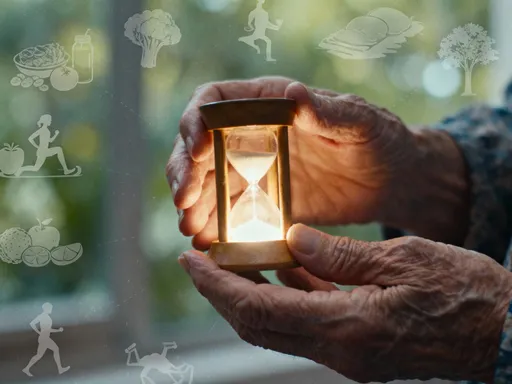
Youth on Autopilot: How I Reset My Body’s Aging Clock Without Extreme Measures
Ever feel like your energy’s fading faster than your phone battery? I did too—until I discovered the quiet signals my body was sending about aging. This isn’t about chasing perfection; it’s about meeting real health standards that keep you feeling strong, clear, and alive. For years, I accepted fatigue, occasional brain fog, and slower recovery as normal parts of getting older. But then I began to wonder: what if these weren’t inevitable signs of aging, but early warnings of imbalance? What if true health wasn’t measured by how young you look, but by how well your body functions? This realization sparked a journey—not toward extreme diets or expensive treatments, but toward sustainable, science-supported habits that quietly reset my biological rhythm. Here’s how small, consistent changes helped me reclaim vitality without gimmicks or deprivation.
The Wake-Up Call: When "Normal Aging" Didn’t Feel Normal Anymore
It started subtly. Mornings became harder. I’d wake up after eight hours of sleep still feeling groggy, as if my body hadn’t fully recharged. Midday naps felt less like a luxury and more like a necessity. Stairs that used to be effortless now left me slightly breathless. I noticed I couldn’t remember names as quickly, and grocery lists I once held in my head now required notes. At first, I dismissed it all as part of life after 40. "Everyone slows down," I told myself. But deep down, something felt off. I wasn’t sick, but I wasn’t thriving either. I was existing in a gray zone—functional, yet fatigued.
This experience is far more common than many realize. Society often normalizes physical and mental decline as an unavoidable part of aging. We hear phrases like "you’re not getting any younger" or "it’s just age catching up" so often that we stop questioning them. But research increasingly shows that many symptoms we label as "normal aging" are actually signs of lifestyle-induced biological stress. Chronic low energy, brain fog, joint stiffness, and poor sleep quality are not badges of maturity—they are signals from the body that something is out of alignment. The difference between chronological aging and accelerated biological aging lies in how we respond to these signals.
True health isn’t the absence of illness; it’s the presence of resilience. When I began tracking my daily patterns, I noticed clear connections between my habits and how I felt. Days with poor sleep or processed meals left me sluggish. Days with movement and whole foods brought clarity and stamina. This wasn’t about willpower—it was about feedback. My body wasn’t failing me; it was communicating. Once I started listening, I realized I had more control than I thought. The first step wasn’t a drastic change, but a shift in mindset: aging doesn’t have to mean decline. It can mean refinement, awareness, and intentional living.
Redefining Health Standards: What Actually Matters as You Age
If we’re going to slow or even reverse signs of biological aging, we need to measure the right things. For too long, health has been equated with appearance—weight, wrinkles, muscle tone. But these are surface-level indicators. What truly matters beneath the skin is how well your cells, organs, and systems function. This is where the concept of biological age becomes powerful. Unlike chronological age, which simply counts the years since birth, biological age reflects the functional condition of your body. Two people who are both 50 years old can have vastly different biological ages based on lifestyle, stress levels, nutrition, and sleep quality.
Key functional markers include sleep efficiency, inflammation levels, metabolic flexibility, and cellular repair capacity. Sleep efficiency refers to how well you fall asleep, stay asleep, and enter restorative deep sleep cycles. High-quality sleep supports hormone balance, immune function, and cognitive clarity. Inflammation, particularly chronic low-grade inflammation, is now recognized as a root driver of many age-related conditions. It can be influenced by diet, stress, and environmental toxins. Metabolic flexibility—your body’s ability to switch between burning glucose and fat for fuel—is essential for stable energy and insulin sensitivity. And cellular repair, including processes like autophagy (the body’s way of cleaning out damaged cells), plays a critical role in longevity.
These internal metrics matter more than the number on the scale or the tightness of your jeans. A person with low inflammation, good metabolic health, and strong recovery capacity will feel and function better than someone who looks fit but struggles with fatigue and brain fog. The goal isn’t to look 25 again—it’s to feel strong, alert, and capable at every stage of life. By focusing on these functional benchmarks, we shift from reactive health (treating symptoms) to proactive health (preventing imbalance). This redefinition empowers us to make choices that support long-term vitality, not short-term aesthetics.
The 3 Non-Negotiables I Tested (And Why They Worked)
After recognizing the gap between how I felt and how I wanted to feel, I focused on three foundational habits that research consistently links to healthy aging: consistent sleep rhythm, whole-food nutrition, and daily movement. These weren’t trendy or extreme—just simple, repeatable practices grounded in science. I committed to testing them for 90 days, tracking changes in energy, mood, and recovery. What I found wasn’t dramatic overnight transformation, but steady, cumulative improvement.
The first pillar was sleep rhythm. Instead of just aiming for eight hours, I focused on consistency—going to bed and waking up within the same one-hour window every day, even on weekends. I also prioritized sleep hygiene: reducing blue light exposure after 8 PM, keeping the bedroom cool and dark, and avoiding caffeine after noon. Within two weeks, I noticed deeper sleep and fewer nighttime awakenings. My morning alertness improved, and I no longer needed coffee to "wake up." This aligns with research showing that circadian alignment—syncing your body’s internal clock with natural light-dark cycles—supports hormone regulation, metabolism, and cellular repair.
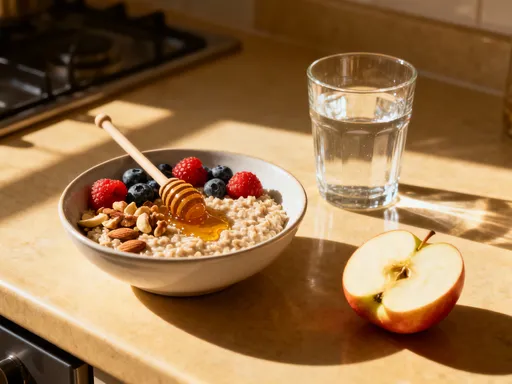
The second pillar was nutrition. I didn’t follow a strict diet, but I made one key shift: replacing processed foods with whole, nutrient-dense options. I focused on vegetables, quality proteins, healthy fats, and fiber-rich grains. I also began syncing meals with sunlight—eating the largest meal at lunch and a lighter dinner before 7 PM. This practice, supported by studies on time-restricted eating, helped regulate insulin levels and improve digestion. I noticed fewer energy crashes and reduced bloating. Over time, my cravings for sugar and refined carbs diminished naturally, not through willpower, but because my body was getting the nutrients it needed.
The third pillar was daily movement. I didn’t start running marathons or joining intense fitness classes. Instead, I committed to 30 minutes of moderate activity every day—usually a brisk walk, often after meals. Walking after eating has been shown to lower post-meal blood sugar spikes, which over time reduces glycation (a process linked to aging). I also added gentle strength training twice a week to maintain muscle mass, which naturally declines with age. The result? Better joint mobility, improved balance, and faster recovery from daily activities. These three habits—sleep, nutrition, and movement—worked synergistically. Each supported the others, creating a positive feedback loop that made healthy choices easier over time.
Silent Saboteurs: What I Cut Out Without Even Realizing It Was Aging Me
While adding good habits was important, removing hidden stressors made an equally big difference. These weren’t dramatic vices, but everyday habits I didn’t think twice about—habits that were quietly accelerating biological aging. The first was poor sleep hygiene. Scrolling through my phone in bed, watching late-night TV, or having an inconsistent bedtime were all disrupting my circadian rhythm. Even small amounts of blue light at night can suppress melatonin, the hormone essential for sleep and cellular repair. Once I created a wind-down routine—reading a book, sipping herbal tea, dimming the lights—I fell asleep faster and woke up feeling more refreshed.
The second saboteur was processed seed oils, commonly found in packaged snacks, fried foods, and salad dressings. These oils are high in omega-6 fatty acids, which in excess can promote inflammation when not balanced with omega-3s. Chronic inflammation is a key driver of aging at the cellular level. I didn’t eliminate all oils, but I switched to using olive oil, avocado oil, and butter for cooking, and increased my intake of omega-3-rich foods like fatty fish, walnuts, and flaxseeds. This simple swap helped reduce joint stiffness and improved my skin clarity.
The third hidden stressor was constant low-grade stress. Unlike acute stress, which can be motivating, chronic stress keeps the body in a prolonged state of "fight or flight," elevating cortisol levels. High cortisol over time can impair sleep, weaken immunity, and increase abdominal fat storage. I didn’t eliminate stress—life still had deadlines and responsibilities—but I built in daily recovery practices. Five minutes of deep breathing, a short walk in nature, or simply pausing to enjoy a cup of tea became non-negotiable. These micro-moments of calm helped reset my nervous system and prevented stress from accumulating.
Finally, I addressed sedentary behavior. Sitting for long stretches—even if I exercised daily—was linked in studies to poor circulation, reduced insulin sensitivity, and increased risk of age-related decline. I started taking short movement breaks every hour: standing while on phone calls, doing a few squats or stretches, or walking around the house. These small shifts added up, improving my energy and focus throughout the day. The lesson? Aging isn’t just about what you add—it’s also about what you remove. By reducing these silent stressors, I created space for my body to heal, repair, and function more efficiently.
Mindset Shifts That Changed Everything
Perhaps the most transformative part of this journey wasn’t a habit, but a change in perspective. For years, I approached health reactively—only paying attention when something went wrong. A sore joint? I’d rest it. Low energy? I’d blame age. But this mindset kept me stuck in a cycle of decline. The shift came when I started viewing health as a daily practice, not a crisis response. Instead of waiting for symptoms, I began tracking how I felt—my energy levels, mental clarity, and emotional balance. This proactive approach allowed me to catch imbalances early and adjust before they became problems.
I also let go of the idea that change had to be dramatic to be effective. In a culture obsessed with quick fixes and extreme transformations, it’s easy to overlook the power of small, consistent actions. But research shows that tiny habits—like drinking a glass of water first thing in the morning or taking a five-minute walk after dinner—compound over time. Each small win built confidence and momentum. I didn’t need perfection; I needed persistence. On days when I slipped up, I didn’t beat myself up. I simply returned to my routine the next day. This self-compassion made the process sustainable.
Another key shift was redefining success. I stopped measuring progress by the mirror or the scale. Instead, I celebrated non-scale victories: sleeping through the night, remembering a name quickly, feeling strong during a hike. These moments reminded me that health isn’t about appearance—it’s about function. Over time, this mindset reduced anxiety around aging and replaced it with curiosity and empowerment. I wasn’t fighting time; I was working with it. This subtle but powerful shift made all the difference in maintaining long-term habits.
Tracking Progress Beyond the Mirror
To stay motivated and measure real change, I moved beyond traditional metrics. Weight and appearance can fluctuate for many reasons and don’t always reflect internal health. Instead, I focused on functional indicators that showed how well my body was working. One of the first things I noticed was improved sleep depth. I no longer woke up multiple times at night, and I felt genuinely rested in the morning. I began tracking my resting heart rate using a simple wearable device. Over several weeks, it dropped from the mid-70s to the low 60s—a sign of improved cardiovascular efficiency.
I also paid attention to mood stability. Previously, I’d experience afternoon slumps or irritability, especially after meals. As my diet improved and blood sugar stabilized, these mood swings became less frequent. I started keeping a daily energy log, rating my energy from 1 to 10 each morning and afternoon. Over time, the average shifted upward, and the dips became less severe. Faster recovery became another clear marker. After physical activity, I used to feel sore for days. Now, muscle recovery is quicker, and I can stay active without long breaks.
Other subtle signs included faster wound healing—small cuts closed more quickly—and improved digestion. I no longer needed antacids after meals, and bloating became rare. I also noticed better mental sharpness: reading felt easier, multitasking was less overwhelming, and I could focus for longer periods. These non-scale indicators gave me objective feedback that my body was functioning better at a cellular level. I didn’t need a lab test to see progress; I could feel it in my daily life. Tracking these markers helped me stay consistent, not out of obligation, but because I could see the benefits unfolding in real time.
Building a Life That Ages Gracefully—No Gimmicks Needed
Looking back, the most valuable lesson wasn’t about any single habit, but about the cumulative effect of small, intentional choices. Anti-aging isn’t something you do to your body—it’s a natural byproduct of living in alignment with your biology. It’s not about chasing youth, but about honoring the body’s need for rest, nourishment, movement, and calm. The habits I adopted weren’t temporary fixes; they became part of a lifestyle that supports long-term vitality.
What makes this approach sustainable is its simplicity. There’s no need for expensive supplements, extreme diets, or hours in the gym. The foundation is accessible to anyone: prioritize sleep, eat real food, move daily, reduce hidden stressors, and track how you feel. These actions may seem modest, but their impact compounds over time. Each healthy choice sends a signal to your cells that you are worth caring for. And over months and years, those signals add up to stronger resilience, sharper thinking, and greater energy.
It’s also important to recognize that health standards are personal. What works for one person may need adjustment for another. The goal isn’t uniformity, but individual alignment. Some days will be better than others, and that’s okay. Progress isn’t linear, but as long as you’re moving in the right direction, you’re winning. The beauty of this journey is that it’s never too early or too late to start. Whether you’re in your 30s, 40s, 50s, or beyond, your body has an incredible capacity to heal and adapt when given the right support.
In the end, aging gracefully isn’t about stopping time. It’s about living fully at every stage. It’s about waking up with energy, engaging with life, and feeling capable of meeting each day’s demands. By listening to your body, making informed choices, and staying consistent, you can reset your biological clock—not through magic, but through mindful, science-backed living. The path to lasting vitality isn’t hidden in a bottle or a trend. It’s built one small, deliberate step at a time.