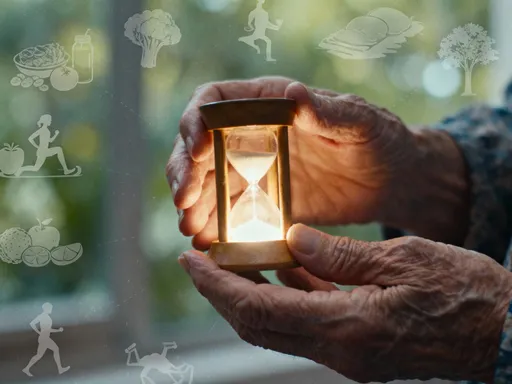
Time Flies, But Your Energy Doesn’t Have To
Ever feel like you're aging faster than you'd like? Many women in their 30s, 40s, and 50s share this quiet frustration—waking up tired despite a full night’s rest, feeling stiff after sitting too long, or noticing that recovery from everyday exertion takes longer than it used to. It’s not just in your head. Modern life—packed schedules, constant screen time, and emotional demands—takes a real toll on the body’s ability to repair and renew. But here’s the good news: aging doesn’t have to mean slowing down. Science now shows that targeted recovery habits can significantly improve energy, resilience, and overall vitality. This isn’t about chasing youth; it’s about supporting your body’s natural ability to heal, recharge, and thrive at every stage. The shifts don’t require drastic changes—just consistent, intentional choices that work with your biology, not against it.
The Speed of Aging: Why Recovery Matters More Than Ever
Aging is inevitable, but the rate at which we age biologically is not fixed. While chronological age moves forward with each birthday, biological age—the functional state of your cells, tissues, and systems—can be influenced by daily habits. Today’s lifestyle often accelerates biological decline. Chronic stress, prolonged sitting, poor sleep, and processed diets contribute to increased inflammation and oxidative stress, both of which are linked to faster cellular aging. For women managing households, careers, and family needs, the cumulative effect can feel overwhelming: slower healing from minor injuries, longer recovery after illness, and persistent fatigue that no amount of coffee seems to fix.
Recovery is the body’s built-in repair system, and it becomes more critical with age. During recovery phases—especially during sleep and rest—your body performs essential maintenance: clearing damaged cells, repairing tissues, balancing hormones, and strengthening the immune system. When recovery is consistently interrupted or inadequate, these processes become less efficient. The result? A gradual decline in energy, mobility, and resilience. Think of it like a home that needs regular upkeep. Without routine maintenance—fixing small leaks, repainting before rot sets in—minor issues become major problems over time.
Fast recovery methods are not about quick fixes but about creating conditions that support the body’s natural repair mechanisms. These include quality sleep, hydration, movement, and stress management. Each plays a role in reducing inflammation, supporting mitochondrial function (the energy powerhouses of cells), and preserving telomere length—structures at the ends of chromosomes that shorten with age and stress. Research shows that people who prioritize recovery often report better physical function, improved mood, and a stronger sense of well-being, regardless of their chronological age.
For women in midlife, this is especially relevant. Hormonal shifts during perimenopause and menopause can amplify fatigue, joint discomfort, and sleep disturbances. But instead of accepting these as unavoidable, they can be seen as signals to prioritize recovery. Simple habits—like taking five minutes to breathe deeply after a stressful moment or ensuring you move every few hours—can interrupt the cycle of stress and depletion. The goal isn’t to reverse aging but to age with greater strength, clarity, and vitality. By focusing on recovery, you’re not fighting time—you’re working with it.
Mind Your Rhythms: Sleep as Your Secret Anti-Aging Weapon
Sleep is one of the most powerful, yet underrated, tools for healthy aging. It’s not just about feeling rested—it’s about what happens beneath the surface while you’re unconscious. During deep sleep, your body enters a state of intense repair. Growth hormone is released, aiding in tissue regeneration. Muscles recover, skin cells renew, and the brain flushes out metabolic waste through the glymphatic system, a process linked to long-term cognitive health. This nightly maintenance is essential for keeping your body functioning optimally, and when sleep is disrupted, so is recovery.
Unfortunately, sleep quality often declines with age. Women may experience more frequent awakenings, difficulty falling asleep, or lighter sleep stages. Hormonal changes, stress, and lifestyle habits like late-night screen use all contribute. But poor sleep doesn’t just leave you groggy—it accelerates biological aging. Studies have found that chronic sleep deprivation is associated with shorter telomeres, increased inflammation, and higher risks for metabolic and cardiovascular issues. In contrast, consistent, high-quality sleep supports immune function, emotional balance, and cellular repair.
The good news is that sleep quality can be improved with practical, sustainable changes. One of the most effective steps is maintaining a consistent sleep schedule—even on weekends. Going to bed and waking up at the same time every day helps regulate your circadian rhythm, the internal clock that governs sleep-wake cycles. This consistency makes it easier to fall asleep and wake up naturally, without relying on alarms or stimulants.
Another key is creating a wind-down routine that signals to your body that it’s time to rest. This might include turning off screens at least an hour before bed, since blue light from phones and tablets suppresses melatonin, the hormone that promotes sleep. Instead, try reading a physical book, listening to calming music, or practicing gentle stretching. Keeping your bedroom cool—around 65°F (18°C)—also supports deeper sleep, as the body’s core temperature naturally drops at night. Darkness is equally important; consider using blackout curtains or an eye mask to minimize light exposure.
Some women find that incorporating relaxation techniques enhances sleep quality. Mindful breathing, progressive muscle relaxation, or a short gratitude reflection can quiet a busy mind. The goal is not to force sleep but to create the conditions where it can happen naturally. Over time, these habits build a stronger sleep foundation, leading to more energy, better focus, and a greater sense of well-being during the day. Sleep isn’t passive—it’s one of the most active forms of self-care you can practice.
Move to Recharge: The Fast-Track Role of Smart Exercise
Physical activity is a cornerstone of healthy aging, but the type and timing of movement matter just as much as the amount. For many women, the idea of exercise brings to mind intense workouts or long gym sessions, but recovery-focused movement is different. It’s about consistency, not intensity. Short, regular bouts of activity—like a 10-minute walk after meals, gentle stretching in the morning, or light resistance training—can have a profound impact on energy levels and long-term health.
Movement supports recovery in multiple ways. It improves circulation, delivering oxygen and nutrients to tissues while helping remove metabolic waste products that accumulate during the day. This is especially important as we age, since circulation naturally slows. Exercise also stimulates the production of collagen and elastin, proteins that keep skin, joints, and connective tissues strong and flexible. Additionally, muscle isn’t just for strength—it plays a crucial role in metabolism. Maintaining muscle mass helps regulate blood sugar, supports joint stability, and reduces the risk of age-related frailty.
Low-impact activities are ideal for promoting recovery without adding strain. Walking, for example, is accessible, sustainable, and highly effective. It’s been shown to improve cardiovascular health, boost mood, and enhance sleep quality. Stretching, particularly dynamic stretches in the morning or gentle yoga before bed, can reduce stiffness and improve range of motion. Resistance bands or light weights help preserve muscle mass and bone density, which naturally decline with age.
The key is to move regularly, not exhaustively. Even three 10-minute sessions of movement throughout the day can be more beneficial than one long, intense workout—especially if it means you’re more likely to stick with it. The goal is to keep your body active and engaged, supporting its natural repair processes. Over time, this consistent movement builds resilience, making daily tasks easier and recovery faster. You don’t need to train for a marathon to feel stronger—you just need to move with purpose, every day.
Hydration Hacks: Water’s Underrated Comeback in Recovery
Hydration is one of the simplest, yet most overlooked, aspects of health. Water is involved in nearly every bodily function: regulating temperature, transporting nutrients, flushing toxins, and maintaining skin elasticity. Yet, many women unknowingly operate in a state of mild dehydration, especially as the sense of thirst diminishes with age. Even a small fluid deficit—just 1-2% of body weight—can lead to fatigue, headaches, and reduced cognitive performance, all of which mimic or worsen signs of aging.
Think of your body like a plant. Without consistent watering, a plant wilts—its leaves droop, its color fades, and its ability to grow slows. The same happens to your cells when they don’t receive enough fluid. Dehydration affects skin health, making fine lines more noticeable and reducing elasticity. It also slows digestion, impairs circulation, and makes it harder for the body to recover from daily stressors. On the other hand, optimal hydration supports joint lubrication, kidney function, and energy production.
Electrolyte balance is also crucial. Water alone isn’t always enough—your body needs minerals like sodium, potassium, and magnesium to maintain fluid balance at the cellular level. These electrolytes help regulate nerve function, muscle contractions, and pH levels. You can support electrolyte balance through whole foods like bananas, leafy greens, and nuts, or by adding a pinch of natural salt to your water if needed. The goal is steady, consistent hydration throughout the day, not just drinking large amounts at once.
A simple habit to start with is drinking a glass of water first thing in the morning. After hours without fluid intake, your body is naturally dehydrated. Replenishing early helps kickstart metabolism and supports cognitive clarity. Carry a reusable water bottle as a visual reminder, and aim to refill it several times a day. Monitor your urine color—pale yellow indicates good hydration, while dark yellow suggests you need more fluids. By making hydration a daily priority, you give your body the foundation it needs to repair, renew, and function at its best.
Food as Fast Fuel: Nutrients That Speed Healing
Nutrition plays a central role in recovery and aging. The foods you eat either support or hinder your body’s ability to repair itself. Diets high in processed sugars, refined carbohydrates, and unhealthy fats promote inflammation—a key driver of aging and chronic disease. In contrast, whole, nutrient-dense foods provide the building blocks for cellular repair, immune function, and energy production.
Anti-inflammatory foods are especially powerful. Berries, for example, are rich in antioxidants like anthocyanins, which help neutralize free radicals that damage cells. Leafy greens such as spinach and kale provide vitamins A, C, and K, along with fiber and folate, all of which support detoxification and tissue health. Nuts, particularly walnuts and almonds, offer healthy fats and vitamin E, which protect cell membranes. Fatty fish like salmon and mackerel are excellent sources of omega-3 fatty acids, known for their role in reducing inflammation and supporting brain and heart health.
Protein is another critical nutrient for recovery. It provides amino acids needed to repair muscles, produce enzymes, and maintain skin and hair strength. As we age, the body becomes less efficient at processing protein, so it’s important to include a source at each meal. Eggs, Greek yogurt, legumes, and lean meats are all good options. Eating protein early in the day—such as at breakfast—can help stabilize blood sugar and sustain energy levels, reducing afternoon crashes.
Meal timing and simplicity also matter. Instead of drastic diet changes, focus on small, sustainable swaps: replacing sugary snacks with fruit and nuts, choosing whole grains over refined ones, or adding a handful of greens to your morning smoothie. These choices add up over time, creating a dietary pattern that supports long-term vitality. The goal isn’t perfection but consistency—eating in a way that fuels your body, supports recovery, and makes you feel strong and capable every day.
Stress Reset: Calming the Body’s Aging Alarm
Chronic stress is one of the most significant accelerators of biological aging. When stress becomes constant, the body remains in a heightened state of alert, releasing cortisol and adrenaline even when there’s no immediate danger. Over time, this prolonged activation wears down systems, leading to fatigue, weakened immunity, and increased inflammation. High cortisol levels have been linked to weight gain, sleep disturbances, and cognitive decline—issues many women notice as they age.
Mental recovery is not a luxury; it’s a biological necessity. Just as your body needs sleep to repair, your nervous system needs moments of calm to reset. Without these pauses, stress becomes the default state, and recovery cannot occur effectively. The good news is that even small, intentional practices can make a big difference in lowering stress and supporting long-term health.
One of the simplest and most effective tools is breathwork. Box breathing—inhaling for four counts, holding for four, exhaling for four, and holding again for four—activates the parasympathetic nervous system, signaling the body to relax. This can be done anywhere, even during a busy day. Mindful pauses—taking 30 seconds to notice your breath, your surroundings, or your body’s sensations—help break the cycle of constant mental chatter and bring you back to the present moment.
Spending time in nature is another powerful stress reducer. Whether it’s a walk in the park, gardening, or sitting under a tree, natural environments have a calming effect on the nervous system. Studies show that time in green spaces can lower cortisol levels, reduce blood pressure, and improve mood. Even bringing elements of nature indoors—like houseplants or natural light—can have a positive impact.
The key is consistency. These practices don’t need to take much time—just a few minutes daily can shift your body from a state of stress to one of recovery. Over time, they build resilience, making it easier to handle life’s challenges without becoming overwhelmed. By prioritizing mental recovery, you’re not just improving your mood—you’re protecting your long-term health.
Putting It All Together: A Realistic Fast Recovery Routine
Building a sustainable recovery routine doesn’t require overhauling your life. It’s about integrating small, science-backed habits into your daily rhythm. Start with sleep: aim for 7-8 hours each night, go to bed and wake up at consistent times, and create a calming bedtime routine. Add movement—three short walks a day, morning stretches, or light resistance exercises—spread throughout your schedule. Hydrate early and often, beginning with a glass of water upon waking and continuing steadily throughout the day.
Nourish your body with whole, anti-inflammatory foods. Focus on colorful vegetables, quality proteins, healthy fats, and fiber-rich grains. Make simple swaps that fit your lifestyle, like choosing nuts over chips or adding greens to your meals. Manage stress with micro-practices: a few minutes of box breathing, a mindful pause before responding to a text, or a short walk outside during lunch. These moments of calm are not wasted time—they are investments in your long-term vitality.
Remember, consistency beats intensity. You don’t need to do everything perfectly. Some days will be easier than others, and that’s okay. The goal is progress, not perfection. Aging well isn’t about stopping time—it’s about making choices that help you feel strong, energized, and capable today and in the years to come. By prioritizing recovery, you’re not just adding years to your life—you’re adding life to your years.