What I Learned from Eating the Right Way According to Chinese Wisdom
For years, I struggled with low energy and digestion issues—until I started paying attention to how Chinese wellness traditions pair foods for balance. It’s not just what you eat, but how you combine it. Rooted in centuries of observation, this approach works with your body’s natural rhythms. I tested it myself, and the shifts were real. No magic, no hype—just thoughtful eating that supports long-term well-being. What I discovered wasn’t a diet, but a way of living: one that honors the body’s signals, respects seasonal changes, and treats food as a partner in health. This is not about rigid rules or deprivation, but about harmony—between flavors, temperatures, and the quiet wisdom of tradition.
The Hidden Problem with Modern Eating Habits
In today’s fast-paced world, meals are often rushed, processed, and disconnected from the body’s actual needs. Many women between 30 and 55 find themselves caught in a cycle of quick breakfasts, on-the-go lunches, and heavy dinners eaten late at night. The result? A gradual erosion of digestive strength, energy dips in the afternoon, and a persistent feeling of being ‘off’—even when medical tests show no clear diagnosis. The root of the issue often lies not in a lack of willpower, but in a fundamental misunderstanding of how food interacts with the body beyond calories and macronutrients.
Modern diets frequently emphasize isolated nutrients—protein here, fiber there, low fat everywhere—but overlook the context in which food is consumed. A salad may be rich in vitamins, but if eaten cold with icy water on an empty stomach, it can dampen the body’s internal warmth, making digestion sluggish. Similarly, combining heavy proteins with refined carbohydrates can overwhelm the digestive system, leading to bloating and fatigue. These combinations are not inherently ‘bad,’ but their effects depend on timing, temperature, and individual constitution—a principle long recognized in traditional Chinese dietary wisdom.
What makes this pattern so insidious is how normalized it has become. Eating on the run, skipping meals, or relying on convenience foods are seen as inevitable parts of modern life. Yet, over time, these habits disrupt the body’s natural balance, weakening the digestive fire—known in Chinese medicine as the ‘Spleen Qi’—which is responsible for transforming food into usable energy. When this system falters, even nutritious foods may not be properly absorbed, leading to a paradox of being overfed yet undernourished. The consequences extend beyond the gut: poor digestion can manifest as brain fog, low mood, and weakened immunity.
Rooted in Balance: What “Chinese Food Therapy” Really Means
Chinese food therapy is not a trend or a fad diet. It is a time-tested system of wellness that views food as medicine and eating as an act of care. At its core are two foundational concepts: Yin and Yang, and the Five Elements. These are not mystical ideas, but practical frameworks for understanding how different foods affect the body. Yin foods are cooling, moistening, and calming—such as cucumber, tofu, and pears. Yang foods are warming, drying, and energizing—like ginger, lamb, and cinnamon. Health, according to this view, arises from balance: too much Yin can lead to coldness and sluggishness; too much Yang can cause irritation and overheating.
The Five Elements—Wood, Fire, Earth, Metal, and Water—further refine this understanding by linking flavors, organs, and seasons. For example, the Earth element governs digestion and is associated with the sweet flavor and late summer. When this element is in harmony, appetite is steady, and energy is stable. When out of balance, digestive discomfort or emotional worry may arise. Each element supports the next in a cycle of nourishment, and food choices can help maintain this flow. A woman experiencing fatigue in winter (the Water season) might benefit from warming, salty-tasting foods like bone broth or seaweed, which support the kidneys and conserve energy.
Crucially, this system does not categorize foods as ‘good’ or ‘bad.’ Instead, it asks: Is this food appropriate for this person, at this time, in this season? A cooling cucumber may be perfect on a hot summer day but less ideal during menstruation or in cold weather. Likewise, a warming stew may comfort in winter but feel heavy in summer. This context-dependent approach empowers individuals to make choices based on awareness rather than restriction. It shifts the focus from counting calories to cultivating sensitivity—listening to the body’s signals and responding with care.
Why Food Pairing Matters More Than You Think
One of the most transformative insights from Chinese dietary wisdom is that food combinations can either support or hinder digestion. The body is not a simple furnace that burns fuel; it is a dynamic system that processes food based on temperature, texture, and chemical interaction. When foods are paired thoughtfully, digestion becomes smoother, energy is more stable, and the body can extract more nourishment. When combinations are jarring—such as cold drinks with hot, greasy meals—the digestive system must work harder, leading to discomfort and inefficiency.
Consider the common practice of drinking iced water with a fried meal. While it may feel refreshing, the sudden coldness can constrict digestive organs and slow down the breakdown of fats. In contrast, sipping warm tea with the same meal helps maintain digestive warmth and aids in fat emulsification. Similarly, pairing raw, cooling vegetables with a raw salad dressing may be refreshing but can overwhelm a weak digestive system. Adding a small amount of warming ingredient—like toasted sesame oil, garlic, or a pinch of ginger—can make the meal more digestible and balanced.
Another powerful example is the traditional use of ginger with seafood. In Chinese cuisine, ginger is often served with fish not just for flavor, but because it counteracts the ‘damp-cold’ nature of seafood, which can contribute to mucus formation and sluggish digestion in sensitive individuals. This is not superstition, but a practical application of thermal balance. Fermented foods like miso or sauerkraut also play a role—they introduce beneficial microbes while being easier to digest when cooked or served at room temperature, especially for those with low digestive fire.
The science behind this is increasingly supported by modern research. Studies show that digestive enzymes function optimally at body temperature, and that extreme cold can temporarily reduce gastric motility. While Western nutrition focuses on nutrient content, Chinese wisdom emphasizes the process of digestion itself. When digestion is smooth, nutrient absorption improves, inflammation decreases, and energy levels stabilize. This is why food pairing is not about perfection, but about creating conditions for the body to thrive.
Common Dietary Missteps (And What to Do Instead)
Three common imbalances frequently undermine women’s health: overconsumption of cold and raw foods, excessive intake of sweet and sticky flavors, and eating too quickly or at irregular times. Each of these patterns can weaken digestive function over time, leading to symptoms like bloating, fatigue, and mood swings. The good news is that small, consistent changes can restore balance without drastic measures.
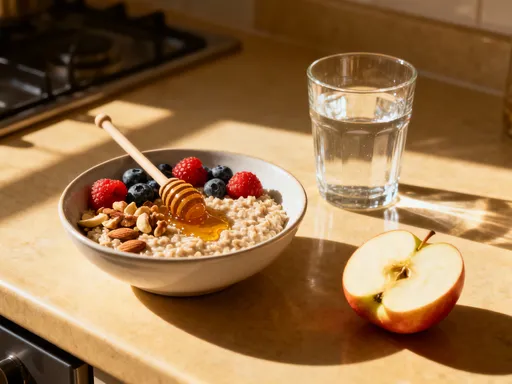
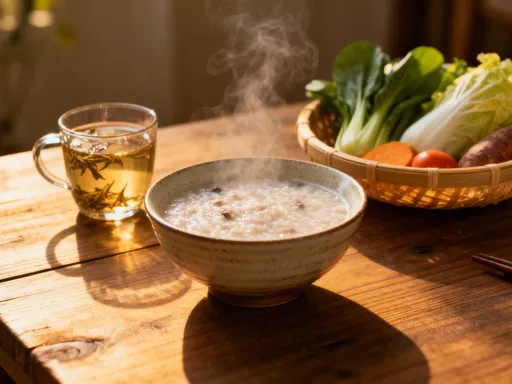
The first misstep—eating too many cold and raw foods—is especially common among women seeking to eat ‘healthily.’ Smoothies, salads, and chilled fruits are often seen as virtuous choices, but when consumed regularly, especially in the morning or during colder months, they can impair digestion. The body must expend extra energy to warm these foods before digestion can begin, which over time depletes vital energy. A simple shift is to choose warm, cooked breakfasts like oatmeal with cinnamon, congee with goji berries, or a vegetable frittata. These meals are not only easier to digest but also provide sustained energy. If raw foods are desired, they are best eaten at midday, when the body’s digestive capacity is strongest, and paired with warming spices like black pepper or turmeric.
The second issue—excessive sweet and sticky flavors—includes not only desserts but also refined carbohydrates like white bread, pastries, and sweetened yogurts. In Chinese medicine, the sweet flavor nourishes the Spleen, but in excess, it creates ‘dampness,’ a condition associated with sluggish digestion, weight gain, and mental fogginess. The key is not elimination, but moderation and quality. Instead of sugary cereals, try a small bowl of brown rice porridge with a few raisins and a sprinkle of nuts. Instead of a muffin, enjoy a baked apple with cinnamon. These alternatives satisfy the craving for sweetness while supporting digestion and blood sugar stability.
The third misstep—eating in haste or under stress—disrupts the body’s ability to prepare for digestion. When the nervous system is in ‘fight or flight’ mode, digestive functions are suppressed. Rushing through meals, eating while distracted, or skipping breakfast can all contribute to poor digestion over time. A simple remedy is to create a calm eating environment: sit down, chew thoroughly, and pause before beginning. Even five minutes of mindful eating can activate the parasympathetic nervous system, signaling the body to digest efficiently. This practice is not about adding more to the to-do list, but about reclaiming meals as moments of nourishment and presence.
Building Your Daily Plate the Balanced Way
Creating a balanced daily plate does not require elaborate recipes or exotic ingredients. It begins with three principles: include warming elements, embrace color diversity, and choose gentle cooking methods. A typical day, according to Chinese wisdom, starts with a warm, easy-to-digest breakfast that fuels the morning without weighing down the system. Congee—a rice porridge cooked slowly with water or broth—is a classic choice. It is soothing to the stomach, hydrating, and easily customized with ingredients like pumpkin, lotus seeds, or a poached egg. A small side of fermented vegetables, such as kimchi or sauerkraut, adds beneficial microbes without overwhelming digestion.
Lunch, eaten around noon when digestive fire is at its peak, can be the most substantial meal. A balanced plate includes whole grains like brown rice or quinoa, a variety of lightly cooked vegetables—especially seasonal greens like bok choy, spinach, or kale—and a moderate portion of protein such as steamed fish, tofu, or chicken. Cooking methods matter: steaming, stir-frying with minimal oil, and gentle sautéing preserve nutrients while making food easier to digest. Brightly colored vegetables not only provide antioxidants but also align with the Five Elements—red for heart support, green for liver health, yellow for digestion, white for lungs, and black for kidneys.
Dinner should be lighter and eaten earlier, ideally by 7 PM, to allow the digestive system to rest before sleep. A nourishing soup, a small portion of grain, and steamed vegetables are ideal. Heavy meats, fried foods, and large portions at night can disrupt sleep and overburden digestion. The goal is not deprivation, but rhythm—eating in a way that supports the body’s natural cycles. Snacks, if needed, are best chosen from warm, nourishing options like a small bowl of miso soup, a piece of fruit with a few nuts, or a cup of herbal tea.
Seasonal adjustments are also key. In winter, meals are warmer, oilier, and more substantial to conserve energy. In summer, lighter, cooling foods like melons, mung beans, and cucumber are appropriate, but still best consumed in moderation and not overly chilled. This flexibility ensures that eating remains both enjoyable and supportive of long-term health.
Beyond the Plate: Lifestyle Meets Eating Wisdom
Nutrition does not exist in isolation. The benefits of balanced eating are amplified when combined with supportive lifestyle habits. One of the most powerful is meal timing. In Chinese medicine, the body follows a daily rhythm of energy flow, with digestion peaking around noon. This is why the largest meal is traditionally eaten at midday—when the body is most equipped to process food. Eating a heavy dinner late at night goes against this natural rhythm, leading to sluggishness and poor sleep. Aligning meals with this internal clock enhances digestion and energy efficiency.
Another essential habit is chewing thoroughly. The act of chewing not only breaks down food physically but also signals the stomach and pancreas to release digestive enzymes. Many women, especially those managing busy households, tend to eat quickly, often standing or multitasking. Slowing down and chewing each bite 20–30 times can significantly improve digestion and reduce bloating. It also allows time for the brain to register fullness, preventing overeating. This simple act is a form of self-respect—a way of honoring the body’s need for care and attention.
Equally important is the practice of stopping before feeling completely full. In Chinese tradition, it is recommended to eat until you are about 70% full. This prevents overloading the digestive system and allows energy to be used for repair and rejuvenation rather than constant digestion. It also cultivates mindfulness, helping to distinguish physical hunger from emotional cravings. Over time, this habit supports a healthy weight and a more balanced relationship with food.
Finally, seasonal living extends beyond food. In autumn, when the air becomes dry, nourishing soups and moistening foods like pears and honey are emphasized. In spring, when energy rises, lighter meals and detoxifying greens support renewal. These rhythms are not rigid rules, but gentle guides that help women stay in tune with their bodies and the natural world. When lifestyle and eating wisdom align, the result is not just better digestion, but a deeper sense of well-being.
Real Results, Not Promises
The benefits of this approach are not theoretical—they are tangible. Women who adopt these principles often report improved digestion, fewer energy crashes, and a greater sense of mental clarity. Bloating after meals diminishes. Afternoon fatigue becomes less frequent. Sleep improves. These changes do not happen overnight, but through consistent, gentle shifts. The power lies not in perfection, but in presence—paying attention, making small choices, and trusting the body’s innate wisdom.
This way of eating is not a cure-all, nor is it meant to replace medical care. It is a complementary practice that supports the body’s natural ability to heal and maintain balance. For women managing chronic conditions, it is essential to consult qualified healthcare providers. However, for those seeking to enhance daily well-being, this wisdom offers a sustainable, empowering path. It is not about following a strict diet, but about cultivating a relationship with food that is respectful, intuitive, and nourishing.
At its heart, this approach is a return to simplicity. It reminds us that health is not found in the latest trend or miracle supplement, but in the everyday choices we make. It invites us to slow down, to listen, and to eat with intention. By aligning with the timeless principles of balance and harmony, we honor not only our bodies but also the deep cultural wisdom that has sustained generations. This is not a short-term fix, but a lifelong practice—one that supports vitality, resilience, and peace, year after year.