Time-Tested Secrets to Slowing the Clock, Backed by Science
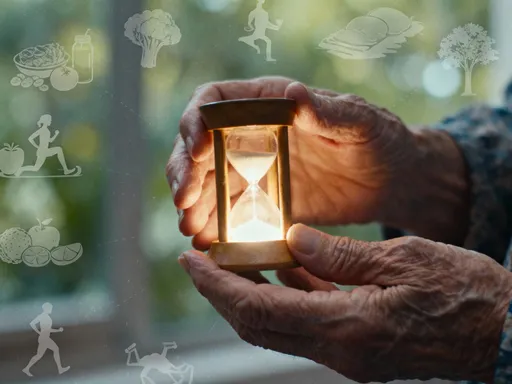
Aging is inevitable, but how we age is within our control. Recent research reveals that biological aging can be influenced by daily choices. From cellular health to energy levels, small consistent habits make a significant difference. Scientists now understand that while chronological age—the number of years you've lived—moves forward uniformly, biological age reflects the functional state of your cells, organs, and systems, and this can be slowed, sometimes even reversed. This article explores proven, science-backed strategies that support longevity and vitality—what they are, why they matter, and how to apply them in real life. These are not miracle cures, but sustainable, research-validated practices accessible to anyone seeking to age with strength, clarity, and resilience.
Understanding Biological vs. Chronological Aging
Chronological age is a simple number: the count of birthdays you've celebrated. Biological age, however, is a dynamic measure of how well your body functions at the cellular level. Two people who are both 55 years old may have vastly different biological ages based on lifestyle, environment, and health behaviors. This distinction is critical because it shifts the narrative from passive acceptance of aging to active participation in shaping it. Key markers such as telomere length, oxidative stress levels, and systemic inflammation offer insight into the body's internal aging process. Telomeres, the protective caps at the ends of chromosomes, naturally shorten with each cell division. When they become too short, cells can no longer divide and may enter a state of senescence or die, contributing to tissue aging and dysfunction.
Scientific studies, including the landmark Dunedin Study, have demonstrated that individuals with faster biological aging—measured through biomarkers like lung function, immune health, and metabolic regulation—tend to experience earlier onset of age-related conditions and visible signs of aging. Importantly, this research shows that genetics account for only about 20–30% of how we age. The remaining 70–80% is influenced by modifiable factors such as diet, physical activity, sleep quality, and stress management. This means that while you cannot change your DNA, you can influence how your genes are expressed through epigenetic mechanisms. For example, healthy behaviors can activate protective gene pathways while silencing those linked to inflammation and cellular decline.
One of the most powerful implications of this science is that aging is not a linear, fixed trajectory. Lifestyle interventions have been shown to lengthen telomeres, reduce oxidative damage, and lower inflammatory markers. A study published in *The Lancet Oncology* found that men with early-stage prostate cancer who adopted comprehensive lifestyle changes—including a plant-based diet, regular exercise, stress reduction, and social support—exhibited increased telomerase activity, the enzyme responsible for rebuilding telomeres, after just five years. This suggests that even in midlife and beyond, the body retains a remarkable capacity to repair and regenerate when given the right conditions. Understanding this empowers individuals to take meaningful action long before aging becomes a crisis.
The Role of Nutrition in Cellular Longevity
Nutrition plays a foundational role in determining how gracefully the body ages. The foods we consume either fuel cellular repair or accelerate damage. Diets rich in antioxidants, polyphenols, omega-3 fatty acids, and fiber have been consistently linked to slower biological aging and reduced risk of chronic disease. These nutrients combat oxidative stress—a process in which free radicals damage DNA, proteins, and lipids—thereby preserving cellular integrity. Antioxidants, found abundantly in colorful fruits and vegetables, neutralize these harmful molecules. Berries, particularly blueberries and strawberries, are high in anthocyanins, which have been shown to improve cognitive function and reduce markers of inflammation.
Leafy green vegetables like spinach, kale, and Swiss chard provide essential vitamins, minerals, and nitrates that support vascular health and mitochondrial function. Nuts, especially walnuts and almonds, offer healthy fats, vitamin E, and plant sterols that contribute to heart and brain health. Fatty fish such as salmon, mackerel, and sardines are excellent sources of long-chain omega-3 fatty acids (EPA and DHA), which help maintain cell membrane fluidity and reduce systemic inflammation. These dietary components do not act in isolation; their combined effect creates a protective environment within the body, slowing the wear and tear associated with aging.
Rather than focusing on restrictive or trendy diets, the goal should be consistent intake of nutrient-dense whole foods. The Mediterranean diet, widely studied for its longevity benefits, exemplifies this approach. It emphasizes vegetables, legumes, whole grains, olive oil, moderate fish and poultry, and limited red meat and processed foods. Research from the Nurses’ Health Study and other large cohorts has shown that adherence to this pattern is associated with longer telomeres, better cognitive outcomes, and lower mortality rates. Importantly, these benefits are not reserved for those who overhaul their diets overnight. Gradual shifts—such as replacing refined grains with whole grains, choosing water over sugary drinks, or adding a serving of vegetables to each meal—can cumulatively lead to significant improvements in biological health over time.
Why Movement Is Medicine for Aging
Physical activity is one of the most potent tools available for maintaining vitality throughout life. As we age, we naturally lose muscle mass, a condition known as sarcopenia, which begins as early as our 30s and accelerates after 50. This loss affects strength, balance, metabolism, and independence. However, regular movement can dramatically slow this decline. Exercise stimulates muscle protein synthesis, improves insulin sensitivity, enhances circulation, and supports joint health. It also promotes the release of brain-derived neurotrophic factor (BDNF), a protein that supports neuron growth and cognitive function, effectively protecting against age-related mental decline.
Different types of exercise offer complementary benefits. Aerobic activities—such as brisk walking, cycling, or swimming—improve cardiovascular endurance and help regulate blood pressure and cholesterol levels. Strength training, including bodyweight exercises, resistance bands, or weightlifting, is essential for preserving muscle and bone density. Studies show that even two sessions per week can significantly increase muscle mass and functional strength in older adults. Flexibility and balance exercises, such as yoga or tai chi, reduce the risk of falls and improve mobility, which is crucial for maintaining independence in later years. The key is consistency, not intensity. A daily 30-minute walk, for example, has been shown to lower all-cause mortality and improve quality of life more than sporadic high-intensity workouts.
Real-world sustainability matters. Many people abandon exercise routines because they are too ambitious or disconnected from daily life. Integrating movement into existing habits—taking the stairs, gardening, parking farther away, or doing short stretches during TV commercials—can be just as effective over time. The World Health Organization recommends at least 150 minutes of moderate-intensity aerobic activity per week, along with muscle-strengthening activities on two or more days. For those new to exercise, starting small and building gradually increases the likelihood of long-term adherence. The message is clear: movement is not just for the young or athletic. It is a lifelong necessity, a form of preventive medicine that pays compound interest in energy, function, and longevity.
Sleep: The Overlooked Pillar of Youthful Health
Sleep is often undervalued in discussions about aging, yet it is during rest that much of the body's repair and regeneration occurs. High-quality sleep supports memory consolidation, hormone regulation, immune function, and cellular cleanup through a process called autophagy—the body's way of removing damaged components and recycling them. Chronic sleep deprivation disrupts circadian rhythms, the internal 24-hour clock that governs physiological processes, leading to elevated cortisol levels, impaired glucose metabolism, and increased inflammation. Over time, poor sleep is associated with accelerated biological aging, cognitive decline, and higher risk of cardiovascular disease and diabetes.
The ideal sleep duration for most adults is between seven and nine hours per night, but quality is equally important. Deep sleep and REM sleep phases are critical for brain health and emotional regulation. Disruptions such as frequent awakenings, sleep apnea, or exposure to blue light before bed can fragment sleep architecture, reducing its restorative benefits. Establishing a consistent sleep schedule—even on weekends—helps stabilize circadian rhythms. Creating a sleep-conducive environment includes keeping the bedroom cool, dark, and quiet, and reserving the bed for sleep and intimacy only, not for work or screen time.
Science-based strategies to improve sleep include limiting caffeine after noon, avoiding large meals close to bedtime, and practicing a calming pre-sleep routine such as reading, gentle stretching, or mindfulness meditation. Exposure to natural daylight in the morning helps reinforce the circadian cycle, while minimizing artificial light in the evening supports melatonin production, the hormone that signals sleep onset. For those struggling with insomnia or restless sleep, cognitive behavioral therapy for insomnia (CBT-I) has been shown to be more effective than medication in the long term. Prioritizing sleep is not a luxury; it is a biological necessity. When sleep is consistently honored, the body operates with greater efficiency, resilience, and clarity—hallmarks of youthful vitality.
Stress Resilience and Its Impact on Aging
Chronic stress is a silent accelerator of aging. When the body is under constant psychological or emotional pressure, it remains in a prolonged state of fight-or-flight response, characterized by elevated levels of cortisol and adrenaline. While these hormones are useful in short bursts, sustained exposure leads to wear and tear on multiple systems. Cortisol increases blood sugar, suppresses immune function, and promotes fat storage, particularly around the abdomen. It also contributes to hippocampal shrinkage, a brain region vital for memory, linking chronic stress to cognitive decline. Furthermore, stress activates inflammatory pathways, which are directly tied to cellular aging and age-related diseases.
Building stress resilience does not mean eliminating all stress—this is neither possible nor desirable, as some stress is motivating and growth-promoting. Rather, it means improving the body’s ability to return to balance after stress exposure. Mindfulness-based practices, including meditation, deep breathing, and present-moment awareness, have been shown to reduce cortisol levels and improve emotional regulation. A study from Harvard Medical School found that participants who practiced mindfulness meditation for eight weeks experienced measurable changes in brain regions associated with attention, self-awareness, and stress regulation.
Simple breathing techniques, such as diaphragmatic breathing or box breathing (inhale for four counts, hold for four, exhale for four, hold for four), can activate the parasympathetic nervous system, signaling the body to relax. Incorporating short mental breaks throughout the day—stepping outside for fresh air, listening to calming music, or pausing to savor a warm beverage—can interrupt the stress cycle before it escalates. Social connection also plays a powerful role in stress resilience. Meaningful relationships provide emotional support, reduce feelings of isolation, and buffer against the negative health effects of stress. Women, in particular, often benefit from “tend-and-befriend” responses, where nurturing relationships and community involvement promote emotional stability. Cultivating calm is not passive; it is an active investment in long-term health and longevity.
The Science of Longevity Habits You Can Start Today
Longevity is not achieved through a single dramatic intervention but through the accumulation of small, daily habits. Hydration is one of the simplest yet most overlooked. Water supports every cellular function, from nutrient transport to temperature regulation. Even mild dehydration can impair cognitive performance and energy levels. Drinking adequate water—typically six to eight glasses per day, adjusted for climate and activity—helps maintain skin elasticity, kidney function, and metabolic efficiency.
Sun protection is another critical habit. Ultraviolet (UV) radiation from the sun is a major contributor to skin aging and DNA damage. Daily use of broad-spectrum sunscreen with SPF 30 or higher, even on cloudy days, protects against photoaging and reduces the risk of skin cancer. Wearing hats, sunglasses, and protective clothing further minimizes UV exposure. Avoiding toxins such as tobacco smoke and excessive alcohol is equally important. Smoking accelerates telomere shortening and increases oxidative stress, while heavy drinking burdens the liver and disrupts sleep and hormone balance.
Social connection, often underestimated in health discussions, is a powerful predictor of longevity. Studies show that individuals with strong social ties live longer, healthier lives than those who are isolated. Engagement in meaningful activities, volunteering, or regular contact with family and friends supports mental and emotional well-being. These habits are not quick fixes but lifelong supports. They work synergistically—good nutrition enhances the benefits of exercise, quality sleep improves stress resilience, and social connection reinforces motivation to maintain healthy routines. The goal is not perfection but consistency and awareness.
Integrating Anti-Aging Practices Into Everyday Life
True longevity comes from a holistic, integrated approach. No single habit operates in isolation; each supports and amplifies the others. A woman who eats well but sleeps poorly may still experience fatigue and inflammation. One who exercises regularly but is chronically stressed may not see optimal results. The most effective strategy is to view health as a cohesive system—nutrition, movement, sleep, and emotional well-being are interconnected pillars. Personalization is key. What works for one person may not suit another. Some thrive on early morning workouts, while others prefer evening walks. Some benefit from structured meal planning, while others do better with flexible, intuitive eating.
Gradual change is more sustainable than drastic overhauls. Starting with one small habit—drinking more water, adding a daily walk, or setting a consistent bedtime—can create momentum for broader improvements. Tracking progress through a journal or app can provide motivation and insight. When needed, professional guidance from a registered dietitian, physical therapist, or mental health counselor can offer tailored support. The journey of aging well is not about chasing youth but about cultivating strength, clarity, and purpose at every stage of life. Science now confirms that how we live today shapes how we age tomorrow. By making informed, consistent choices, it is possible to slow the clock, preserve vitality, and embrace the years ahead with confidence and grace.