What Changed My Hair? A Real Talk on Healthy Hair Habits
Have you ever stood in front of the mirror, pulling at limp strands or spotting more hair in the drain than usual? I’ve been there—frustrated, confused, and overwhelmed by endless products that promised miracles but delivered nothing. It wasn’t until I shifted my focus from quick fixes to real hair health that things finally changed. This isn’t about magic potions; it’s about simple, science-backed habits that actually work. Let’s talk about what really matters for strong, vibrant hair.
The Hair Wake-Up Call: When I Realized It Wasn’t Just Genetics
For years, I blamed my thinning hair on my mother’s side of the family. Every time I saw her silver strands receding slightly at the temples, I told myself it was inevitable. But then, in my early 40s, the change became harder to ignore. My ponytail felt lighter. I’d find clumps of hair on my pillow, in the shower, even in my hands after gently running fingers through my scalp. What startled me most wasn’t just the loss—it was the texture. My once thick, bouncy waves had turned brittle, flat, and lifeless.
I started researching, not just browsing beauty blogs, but digging into dermatology journals and nutritional studies. What I discovered shifted my entire perspective: while genetics do play a role in hair density and pattern, they’re not the whole story. In fact, for many women, hair changes are less about heredity and more about what’s happening inside the body. Hormonal shifts, nutrient deficiencies, chronic stress, and even digestive health can show up in the mirror long before any medical test catches them.
That realization was a turning point. Instead of accepting hair loss as a fate written in my DNA, I began to see it as a signal—a quiet but urgent message from my body that something needed attention. Hair isn’t just a cosmetic feature; it’s a living tissue that responds to our overall state of wellness. Once I started treating it that way, the path to improvement became clearer.
Hair Health 101: What Your Strands Are Actually Trying to Tell You
Hair is more than just a style statement—it’s a biological indicator. Dermatologists and trichologists often refer to hair as a 'canary in the coal mine' for internal health. Because hair grows slowly and depends on a steady supply of nutrients and balanced hormones, any disruption in the body’s systems can show up in its appearance. Dullness, breakage, shedding, or slow growth aren’t random; they’re clues.
At the core of hair health is the growth cycle, which consists of three main phases: anagen (the active growth phase), catagen (a short transitional stage), and telogen (the resting phase before shedding). Normally, about 85–90% of your hair is in the anagen phase at any given time, growing steadily for two to seven years. The rest is either transitioning or resting, with only 5–10% shedding daily—around 50 to 100 strands, which is considered normal.
When shedding increases beyond that range, it’s often because something has pushed more follicles into the telogen phase prematurely. This condition, known as telogen effluvium, can be triggered by physical stress (like surgery or illness), emotional strain, rapid weight loss, or nutritional imbalances. The delay between the trigger and visible shedding—usually two to three months—means many women don’t connect the dots between a stressful event and sudden hair loss.
Another key insight: hair is made almost entirely of protein, specifically keratin. Each strand is built from amino acids delivered through the bloodstream. If your diet lacks sufficient protein, iron, or other essential nutrients, your body prioritizes vital organs over hair growth. As a result, hair becomes weaker, thinner, and more prone to breakage. This isn’t vanity—it’s physiology. Understanding this helped me stop blaming myself and start supporting my body with better choices.
The Diet Factor: Eating for Strength, Shine, and Growth
If hair is made of protein, then food becomes the foundation of hair care. No serum or supplement can compensate for a diet that’s low in key nutrients. I began to look at my meals not just as fuel for energy, but as building blocks for healthier hair. The shift wasn’t about extreme diets or expensive superfoods—it was about consistency and balance.
Several nutrients stand out in hair health research. Protein is essential, as keratin is a structural protein. Without enough dietary protein, hair growth slows and strands become fragile. Iron plays a critical role too, especially for women. Low iron stores—known as ferritin—have been linked to hair thinning, even in the absence of anemia. The National Institutes of Health recommends a ferritin level of at least 50 ng/mL for optimal hair growth, though many standard blood tests consider levels above 15 ng/mL 'normal.'
Zinc is another mineral involved in hair tissue growth and repair. Deficiencies can lead to both hair loss and scalp issues like dandruff. Biotin, a B-vitamin, supports keratin production, though most people get enough from their diet unless they have specific conditions. Omega-3 fatty acids, found in fatty fish, flaxseeds, and walnuts, help nourish the scalp, reduce inflammation, and add natural shine.
Instead of relying on supplements right away, I focused on whole foods. I added eggs, lentils, spinach, and salmon to my weekly meals. I sprinkled chia and pumpkin seeds on salads and yogurt—they’re rich in zinc, iron, and healthy fats. I reduced processed carbohydrates, which can spike insulin and contribute to inflammation, potentially affecting hair follicles. Within a few months, I noticed less breakage and a subtle improvement in texture. It wasn’t dramatic, but it was real.
It’s important to note that while supplements can help in cases of deficiency, they’re not a cure-all. Excessive biotin, for example, can interfere with lab tests and doesn’t benefit those who already have adequate levels. The best approach is to consult a healthcare provider, get blood work done if needed, and address gaps through food first, supplementation only when necessary.
Stress and Hair: The Invisible Drain You Can’t Ignore
One of the most surprising discoveries in my journey was how deeply stress affects hair. Not just emotional stress—though that matters—but the body’s physiological response to any kind of prolonged pressure. When we’re under stress, the adrenal glands release cortisol, often called the 'stress hormone.' In short bursts, cortisol helps us respond to challenges. But when it stays elevated for weeks or months, it can disrupt nearly every system in the body—including hair growth.
High cortisol levels can shorten the anagen (growth) phase of hair, pushing more follicles into the resting phase. This leads to increased shedding several months later, often catching women off guard. Many report sudden hair loss after a major life event—divorce, job change, illness, or the death of a loved one—without realizing the connection. The delay makes it easy to miss the cause.
I began to see my own shedding in this light. The year before my hair started thinning had been one of the busiest of my life—juggling work deadlines, family responsibilities, and little time for rest. I wasn’t sleeping well, and my meals were often rushed. My body was in constant 'fight or flight' mode, and my hair paid the price.
Reducing stress wasn’t about eliminating all pressure—life will always have demands. Instead, I focused on building resilience. I started with small, daily habits: five minutes of deep breathing in the morning, a short walk after dinner, and a commitment to going to bed at the same time each night. I also reduced screen time before bed, which improved my sleep quality. These changes didn’t fix everything overnight, but over time, my shedding slowed. I realized that calming my nervous system wasn’t just good for my mind—it was essential for my hair.
Your Scalp Isn’t Just Skin: Treat It Like a Garden
If hair is the plant, the scalp is the soil. No matter how healthy your diet or low your stress, if the scalp environment is compromised, hair can’t thrive. I used to think of my scalp as just an extension of my skin, something to wash quickly and forget. But learning about scalp health changed my routine entirely.
A healthy scalp is clean, balanced, and well-circulated. Buildup from oils, dead skin cells, or hair products can clog follicles and hinder growth. On the other hand, an overly dry or irritated scalp can lead to flaking, itching, and inflammation—all of which disrupt the hair cycle. The goal isn’t to strip the scalp, but to maintain a clean, nourished foundation.
I switched to a gentle, sulfate-free shampoo—not because sulfates are universally harmful, but because my scalp responded better to milder cleansing. I also started washing less frequently, allowing natural oils to protect my strands. When I did wash, I massaged my scalp for at least two minutes, using my fingertips in small circular motions. This simple act boosted blood flow, delivering more oxygen and nutrients to the follicles.
Once a week, I applied a light oil treatment—usually a mix of jojoba and rosemary oil—to my scalp, leaving it on for 20 minutes before washing. Rosemary oil, in particular, has been studied for its potential to support hair growth, with one clinical trial showing it was as effective as minoxidil for some participants, but with fewer side effects. I wasn’t looking for a miracle, but I appreciated a natural option that aligned with my preference for minimal, evidence-based solutions.
I also paid attention to how I dried my hair. Instead of rubbing it vigorously with a towel, I gently squeezed out excess water and wrapped it in a soft microfiber towel. I avoided tight hairstyles that pulled on the scalp, like high ponytails or buns worn daily. These small shifts reduced mechanical stress and breakage, especially around the hairline.
Hair Habits That Help—And Others That Secretly Harm
Some of the most damaging habits are the ones we think are harmless—or even helpful. I used to believe that washing my hair every day kept it healthy, but over time, I realized it was stripping my scalp of natural oils, leading to dryness and brittleness. Frequent washing can also increase the need for heat styling, creating a cycle of damage.
Heat tools like flat irons and curling wands are major contributors to hair damage. High temperatures weaken the protein structure of the hair shaft, leading to split ends and breakage. I didn’t give up styling completely, but I lowered the heat setting, used a heat protectant spray, and limited use to once a week. Air-drying became my default, and I embraced my natural texture more.
Water temperature matters too. Hot water can dry out the scalp and damage the hair cuticle. I started rinsing with lukewarm or cool water, which also helped seal the cuticle and add shine. I also switched to a silk pillowcase, which reduces friction while sleeping and helps prevent tangles and breakage.
Another change was adopting low-manipulation hairstyles. Instead of tight braids or frequent brushing, I let my hair flow freely or wore loose styles. I used wide-tooth combs instead of brushes, starting from the ends and working up gently. Protective styles like loose buns or braids—when not too tight—helped minimize daily handling and environmental damage.
I also became more selective about salon treatments. Chemical processes like bleaching, perming, or keratin treatments can weaken hair over time. While they have their place, I now space them out and always follow up with deep conditioning. I also avoid overlapping treatments on already processed hair, giving it time to recover between services.
Putting It All Together: My Simple, Sustainable Routine
After months of trial, research, and small adjustments, I built a routine that felt manageable and effective. It wasn’t about perfection—it was about consistency. Here’s what my typical week looks like:
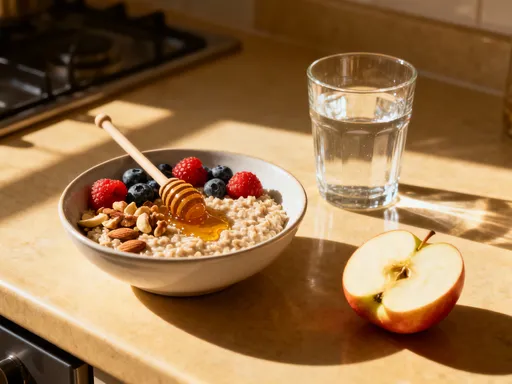
Every morning, I take a multivitamin with iron and omega-3s, based on my doctor’s recommendation. I eat a balanced breakfast with protein—usually eggs or Greek yogurt—and include seeds or nuts for healthy fats. I spend five minutes on mindful breathing before starting my day.
I wash my hair two to three times a week with a gentle shampoo, always massaging my scalp. Once a week, I do a scalp treatment with rosemary and jojoba oil. I condition the lengths of my hair, avoiding the scalp to prevent buildup. After washing, I gently pat dry with a microfiber towel and let my hair air-dry whenever possible.
I style with heat no more than once a week, always using a heat protectant. I sleep on a silk pillowcase and wear loose hairstyles to bed. I avoid tight elastics and use fabric-covered hair ties when needed. I eat meals rich in protein, vegetables, and healthy fats, and I stay hydrated throughout the day.
Tracking progress was tricky at first. I didn’t see length gains right away, but I noticed fewer strands in the drain, less breakage, and a fuller appearance at the roots. I took monthly photos under the same lighting to monitor changes. Most importantly, I stopped obsessing over daily results. Hair growth is slow—about half an inch per month—and changes take time to show.
What I’ve learned is that healthy hair isn’t a quick fix. It’s the result of daily choices that support overall wellness. It’s about listening to your body, understanding the science, and being patient. This isn’t a trend or a fad—it’s a lifestyle shift that honors the connection between how we live and how we look.
Healthy hair isn’t about having the most expensive serum or following viral trends—it’s about honoring your body’s needs with consistent, informed choices. When you treat hair care as an extension of overall wellness, the results aren’t just visible; they last. This journey taught me that true hair strength starts long before it reaches the surface. By listening to your body, respecting the science, and staying patient, you’re not just growing hair—you’re building a healthier you.