How I Fixed My Sleep with Simple Moves Anyone Can Try
Struggling with sleep? You're not alone. I spent years tossing and turning, relying on quick fixes that never lasted. Then I discovered something surprising: gentle daily movement can rewire your sleep rhythm. No intense workouts or strict rules—just practical, science-backed motion that fits real life. This isn’t a miracle cure, but a sustainable shift that actually works. Let me show you how small, consistent changes in activity can lead to deeper, more restful nights.
The Sleep Struggle: Why Rest Feels Out of Reach
Millions of adults wake up feeling unrefreshed, despite spending eight hours in bed. For many, sleep has become a source of frustration rather than restoration. The issue often isn’t laziness or poor discipline—it’s a mismatch between modern lifestyles and the body’s natural rhythms. Long hours sitting, constant screen exposure, and high stress levels interfere with the delicate balance required for quality sleep. The brain remains alert when it should be winding down, and the body, deprived of meaningful movement, loses its sense of when to rest.
Physical inactivity plays a bigger role than many realize. When the body doesn’t expend energy during the day, it doesn’t build up the biological need for deep recovery at night. This lack of “sleep pressure” means falling asleep takes longer, and staying asleep becomes harder. Imagine lying in bed, physically tired but mentally restless—eyes heavy, mind racing. That disconnect is common among those who lead sedentary lives. The solution isn’t always more willpower or stricter bedtime routines. Often, the answer begins long before bedtime—with how we move, or don’t move, during daylight hours.
Research from the National Sleep Foundation shows that adults who sit for more than eight hours a day are twice as likely to report poor sleep quality compared to those who stay moderately active. Yet, many assume that only intense gym sessions count as beneficial. In reality, even small increases in daily movement—standing, walking, stretching—can signal the body that it has been active and now deserves rest. The key is consistency, not intensity. When movement becomes a regular part of the day, sleep begins to follow as a natural consequence, not a battle to be won.
Movement as Medicine: The Science Behind Exercise and Sleep
Physical activity is one of the most effective, yet underused, tools for improving sleep. Studies consistently show that regular movement enhances sleep quality by regulating the body’s internal clock, known as the circadian rhythm. This biological timer controls when we feel alert and when we feel sleepy. When it’s aligned with natural light and daily activity patterns, sleep comes more easily. Exercise helps synchronize this system by reinforcing the contrast between day and night—activity during daylight signals wakefulness, while stillness at night supports rest.
One of the ways movement improves sleep is by reducing stress hormones like cortisol. Elevated cortisol, especially in the evening, can keep the mind active and delay sleep onset. Moderate physical activity lowers cortisol levels over time, promoting a calmer nervous system. At the same time, exercise supports the production of melatonin, the hormone responsible for signaling sleep. When movement occurs earlier in the day, melatonin release shifts to a more natural evening schedule, making it easier to fall asleep at a reasonable hour.
Additionally, physical activity increases the amount of slow-wave sleep—the deepest, most restorative phase of the sleep cycle. During this stage, the body repairs tissues, strengthens immunity, and consolidates memory. A study published in the journal Sleep Medicine found that participants who engaged in daily moderate exercise experienced a 25% increase in slow-wave sleep compared to sedentary individuals. Think of your body like a muscle: just as it grows stronger with use, it also learns to rest more deeply when it has been active. The best part? These benefits don’t require running marathons or lifting heavy weights. Simply walking 30 minutes a day, five times a week, can produce measurable improvements in sleep quality.
The Myth of Intense Workouts for Better Sleep
There’s a common belief that only vigorous exercise leads to better sleep. While high-intensity training has its benefits, it’s not always the best choice for improving rest. In fact, overdoing it—especially late in the day—can backfire. Intense workouts raise core body temperature and stimulate the release of adrenaline and cortisol, hormones that promote alertness. When this happens too close to bedtime, the body may still be in “awake mode” when it should be transitioning to sleep.
Research from the Journal of Clinical Sleep Medicine indicates that people who perform strenuous exercise within one to two hours of bedtime take significantly longer to fall asleep and experience more nighttime awakenings. On the other hand, those who engage in moderate, rhythmic activities—such as walking, swimming, or cycling at a comfortable pace—report better sleep quality and faster sleep onset. Interestingly, a study comparing runners and walkers found that walkers often slept more soundly, likely because their activity was less disruptive to evening relaxation.
This doesn’t mean intense exercise should be avoided altogether. For many, morning or afternoon workouts can be highly beneficial. The key is timing and balance. Gentle, repetitive motions—like the steady rhythm of walking or the flowing sequences of tai chi—have a calming effect on the nervous system. They mimic the natural cadence of breathing and heart rate during relaxation, helping the body shift into a rest-ready state. Rather than pushing the body to its limits, the goal is to support its natural ability to wind down. When movement feels nourishing instead of exhausting, sleep becomes easier to achieve.
Morning Light and Motion: Your Natural Reset Button
One of the most powerful ways to reset your sleep cycle is combining morning light with gentle movement. Sunlight is the primary cue your brain uses to set the circadian clock. When your eyes detect natural light in the morning, your brain suppresses melatonin production, signaling that it’s time to be awake. This early signal helps ensure that melatonin rises again at the right time in the evening, making sleep come more naturally.
Adding movement to this routine strengthens the effect. A 15- to 20-minute walk outside shortly after waking—whether around the block, in the backyard, or while walking a pet—can jumpstart your body’s daily rhythm. Even on cloudy days, outdoor light is significantly brighter than indoor lighting and provides the necessary input for circadian regulation. The physical activity increases blood flow, gently raises body temperature, and enhances alertness, all of which support daytime energy and nighttime sleep.
This practice doesn’t require special equipment or a long time commitment. Simply stepping outside with a cup of tea and walking slowly while observing the morning sky can be enough. The combination of light and motion sends a clear message to the body: “Day has begun.” Over time, this consistency trains the brain to expect wakefulness in the morning and tiredness at night. For those struggling with delayed sleep onset or irregular sleep patterns, this simple habit can be transformative. It’s not about willpower—it’s about aligning with your biology.
Daytime Habits That Build Sleep Pressure
Sleep isn’t just about being tired—it’s about biological readiness. One key factor in this process is adenosine, a chemical that builds up in the brain the longer you’re awake. The more adenosine accumulates, the stronger the drive to sleep becomes. This is known as “sleep pressure.” Physical activity accelerates adenosine buildup, making it easier to fall asleep and stay asleep at night.
The good news is that you don’t need long workouts to benefit. Everyday movements—standing up to stretch, taking the stairs, pacing during phone calls, or walking after meals—contribute to this process. These small actions may seem insignificant, but they add up over the day. A study from the University of California found that adults who broke up long sitting periods with short walks every hour had higher sleep efficiency and fewer nighttime awakenings.
For example, a 10-minute walk after lunch not only aids digestion but also increases daytime energy expenditure, which enhances sleep pressure by bedtime. Similarly, standing while working or doing light household tasks keeps the body engaged without causing fatigue. The goal is to stay gently active throughout the day, avoiding long stretches of inactivity. When the body has been awake and moving, it naturally seeks rest when the day ends. This creates a smoother transition into sleep, reducing the need for sleep aids or prolonged wind-down rituals.
Evening Wind-Down Routines with Gentle Movement
As the day winds down, so should your activity level—but not to a complete stop. Gentle movement in the evening can actually support relaxation and prepare the body for sleep. Unlike vigorous exercise, which stimulates the nervous system, slow, intentional motions help release physical tension and quiet the mind. This is especially helpful for those who carry stress in their shoulders, neck, or back.
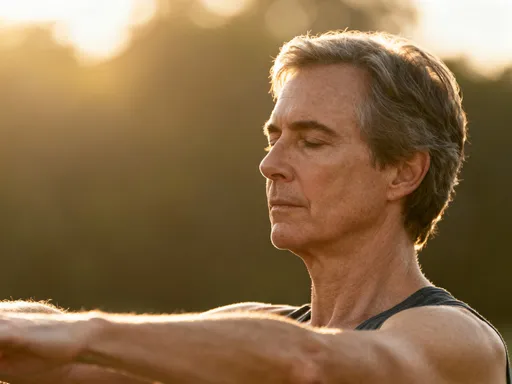
Yoga, tai chi, or simple floor stretches are excellent choices. These practices combine movement with breath awareness, activating the parasympathetic nervous system—the part responsible for “rest and digest” functions. A 20-minute routine of seated forward bends, gentle twists, and shoulder rolls can reduce muscle tightness and calm racing thoughts. The key is to keep the movements slow and comfortable, avoiding any strain or exertion.
Timing matters. It’s best to do these activities 60 to 90 minutes before bed, allowing the body enough time to settle. Doing them too close to bedtime may increase alertness due to the change in position or breathing patterns. A dimly lit room, comfortable clothing, and soft background music can enhance the experience. The goal isn’t to “work out” but to signal to the body that it’s time to transition from activity to rest. Over time, this routine becomes a powerful cue—like brushing your teeth—that prepares both mind and body for sleep.
Building a Realistic Routine: Start Small, Stay Consistent
The most effective sleep-supporting movement routines are the ones you can actually stick with. Perfection isn’t the goal—consistency is. Instead of aiming for dramatic changes, focus on integrating three simple movement anchors into your day: one in the morning, one in the afternoon, and one in the evening. Each can take as little as 10 to 15 minutes and can be tailored to your energy levels and schedule.
In the morning, pair your coffee or tea with a short walk outside or a few minutes of stretching on the porch. This combines light exposure with gentle motion to set your rhythm. During the day, take standing breaks every hour if you work at a desk, or walk around the house after meals. These small efforts build sleep pressure without feeling like a chore. In the evening, replace screen time with a quiet stretching routine or a few yoga poses. The key is habit stacking—linking new behaviors to existing ones so they become automatic.
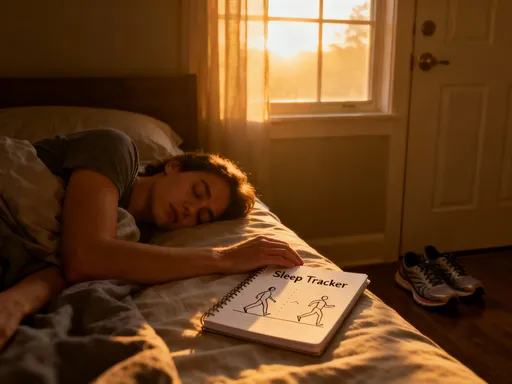
Obstacles like fatigue, lack of time, or low motivation are common. On tough days, do less—five minutes of movement still counts. What matters is showing up consistently, even in small ways. Tracking your sleep over time, perhaps with a simple journal or a wearable device, can help you see progress. Improvements may not be immediate, but after two to four weeks, many people notice they fall asleep faster, wake up less often, and feel more refreshed in the morning. This isn’t about fixing sleep overnight—it’s about creating the conditions for rest to return naturally.
Improving sleep doesn’t require drastic changes or expensive solutions. By aligning your body’s natural rhythms through simple, intentional movement, rest becomes easier—not forced, but earned. This approach isn’t about perfection; it’s about progress. When you move more gently and consistently throughout the day, sleep follows as a natural reward. Start small, stay patient, and let your body find its rhythm again.